🍎 Premium Dried Pomegranate Peel (Anar Chilka)
Punica granatum | Rasa Organics
Pure • Natural • Authentic
🌿 Discover the Natural Character of Pomegranate Peel
Pomegranate is one of the most recognisable fruits in traditional food cultures. While its juicy red arils are widely enjoyed, the outer peel has its own distinctive botanical character and a long history of use in traditional preparations.
Premium Dried Pomegranate Peel, commonly known as Anar Chilka (انار کا چھلکا), is obtained from the outer rind of the pomegranate fruit, botanically identified as Punica granatum L.
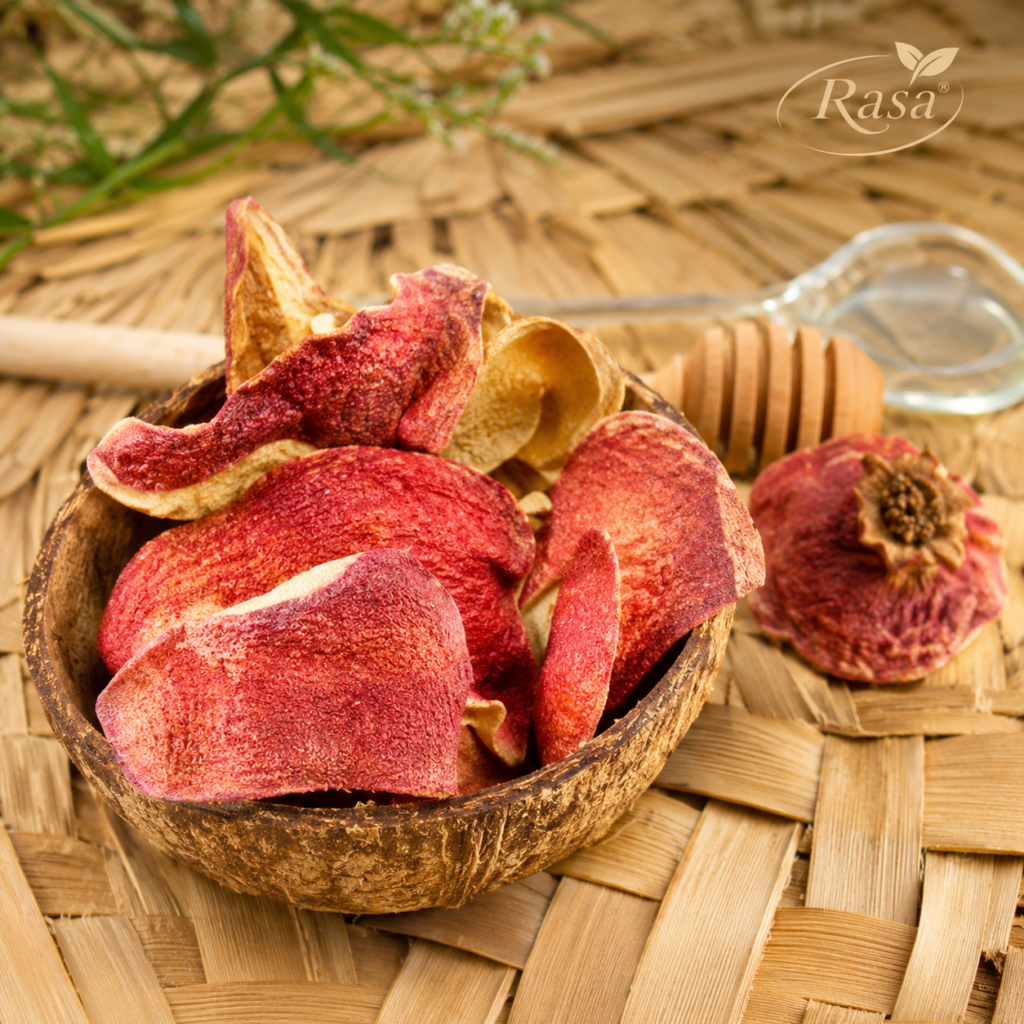
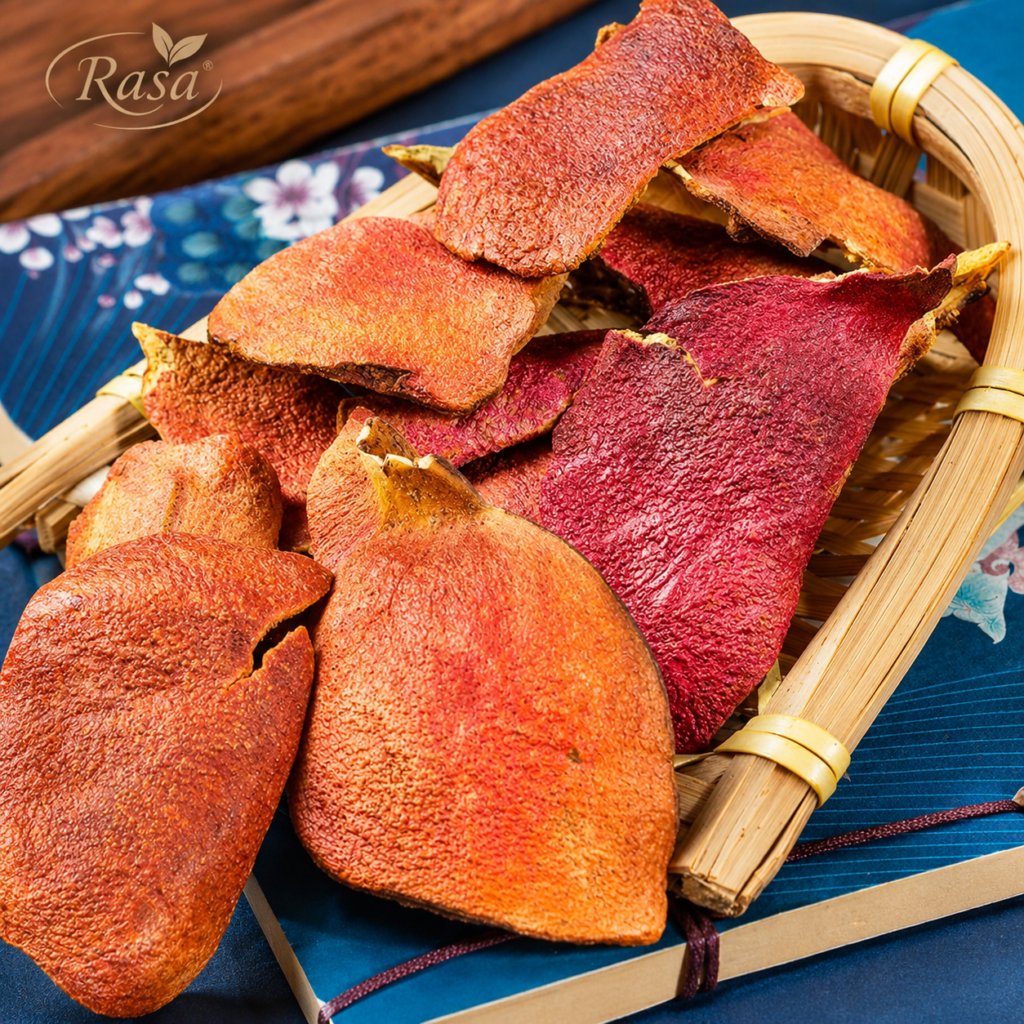
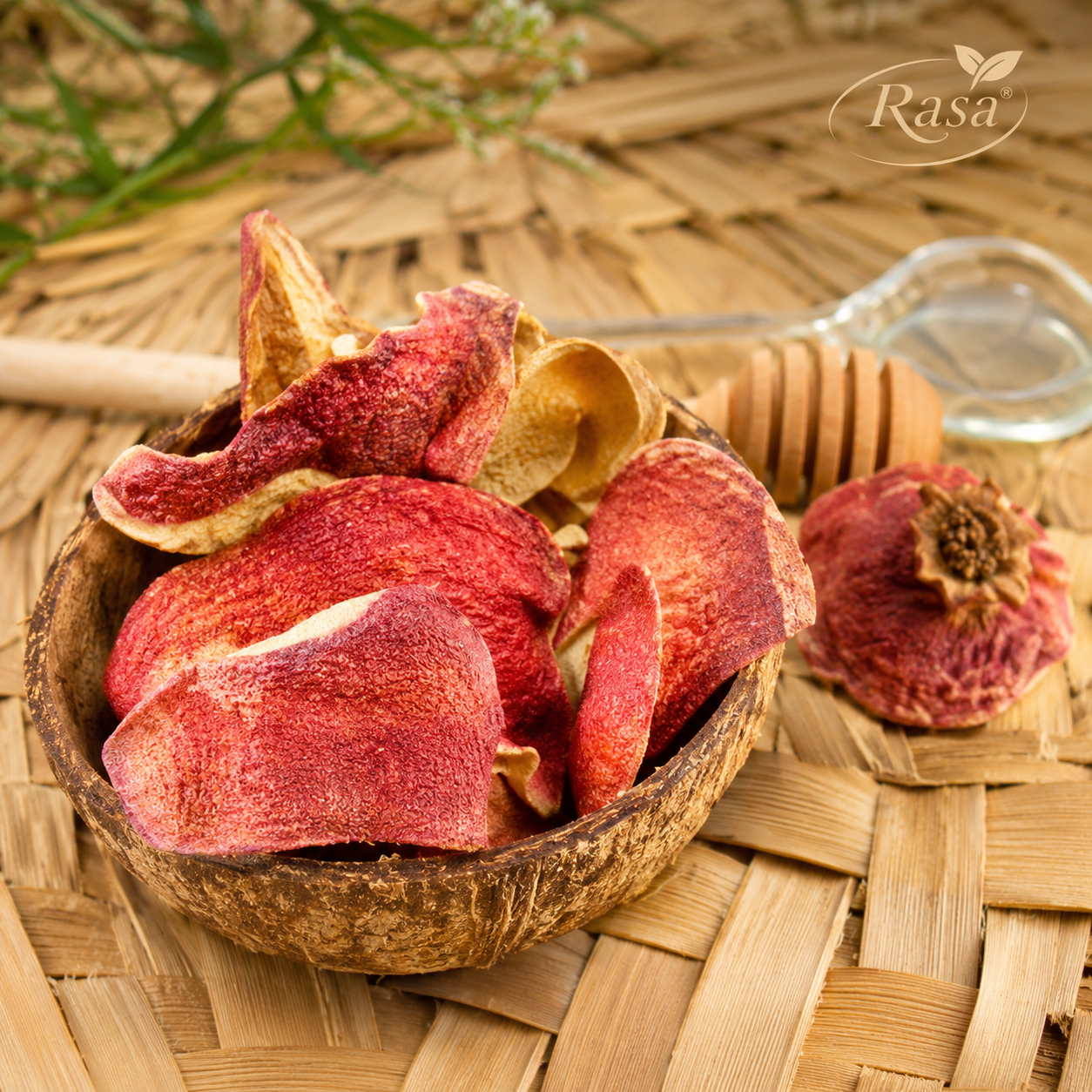
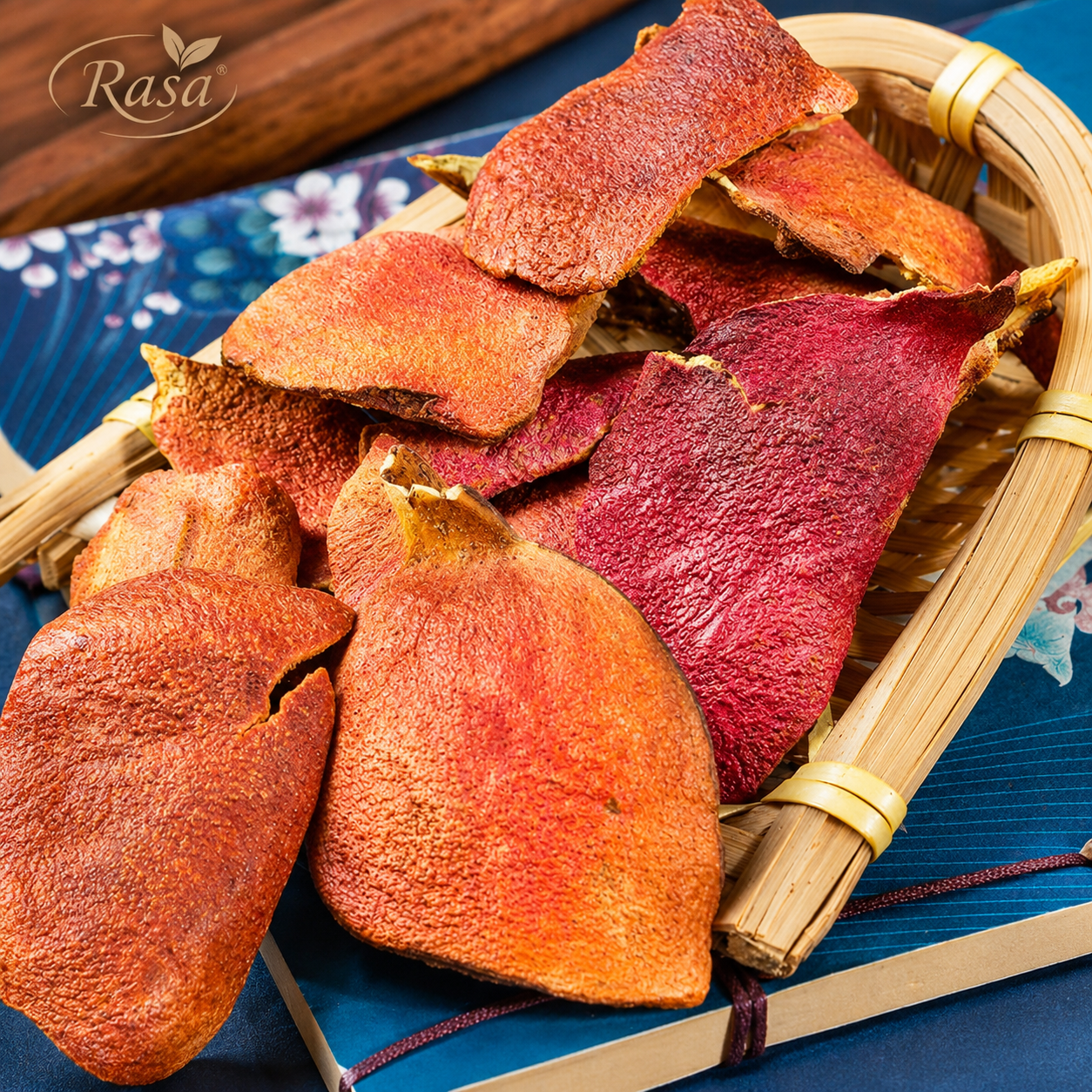
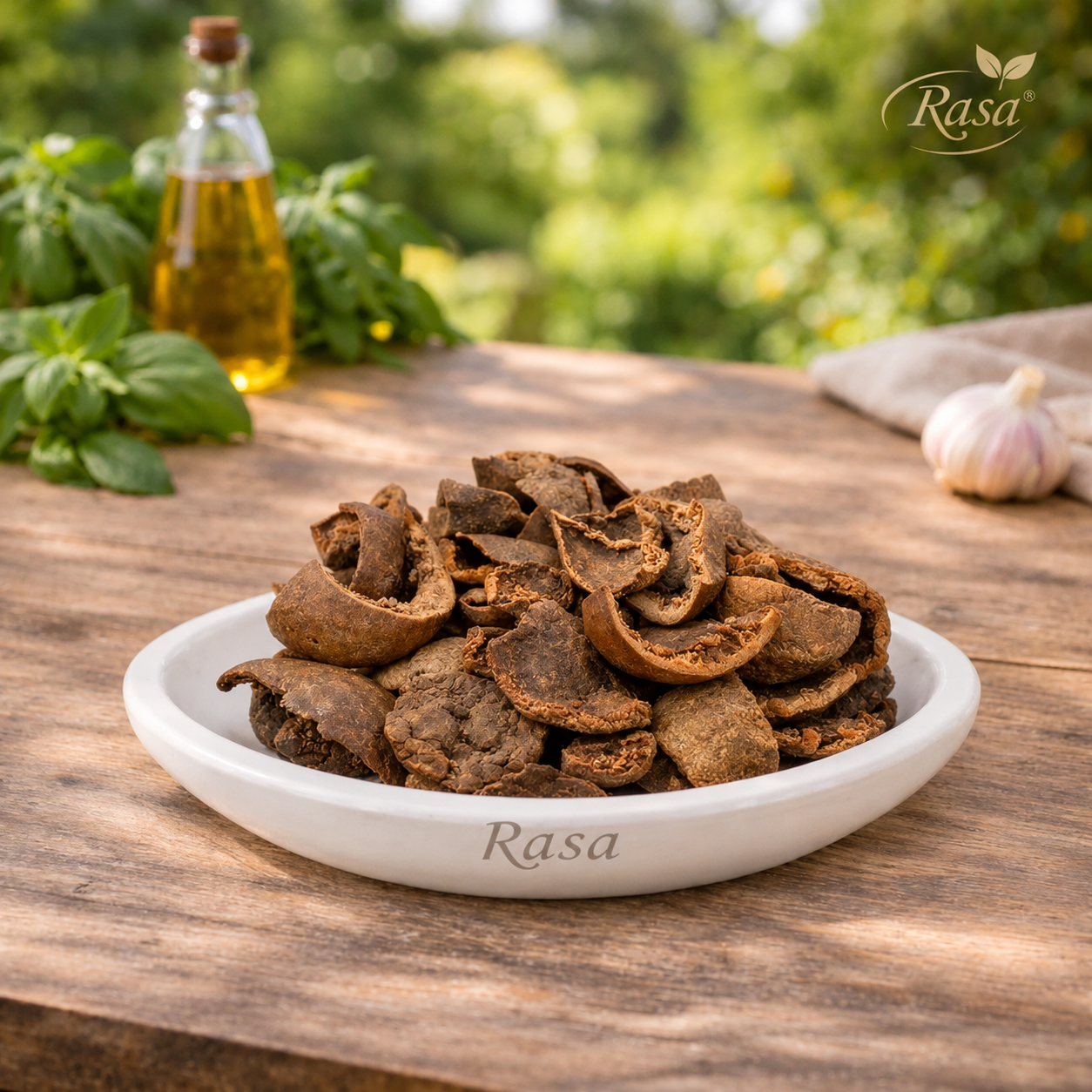
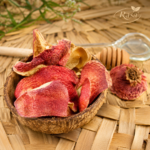
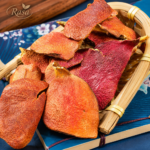
Once separated from the fruit and appropriately dried, the peel develops a characteristic reddish-brown to deep brown appearance. Its texture becomes firm and slightly coarse, while its natural flavour is noticeably astringent, mildly bitter and distinctly fruity.
At Rasa.pk, we believe that every botanical ingredient deserves accurate identification, responsible handling and transparent product information.
Our pomegranate peel product is presented for customers interested in traditional botanical ingredients and their distinctive natural characteristics.
✨ A traditional botanical ingredient with a distinctive colour, texture and character.
🌱 1. PRODUCT HIGHLIGHTS
🍎 Pomegranate-Derived Botanical Material
Obtained from the outer peel of the pomegranate fruit (Punica granatum).
🌿 Distinctive Natural Appearance
Naturally occurring shades of reddish-brown, burgundy and deep brown, depending on the variety and drying process.
✨ Characteristic Astringent Taste
Pomegranate peel has a naturally pronounced astringent and mildly bitter flavour.
🍃 Traditional Botanical Heritage
Recognised in traditional botanical literature and different regional preparation practices.
🌾 Versatile Botanical Ingredient
Its potential applications depend on its intended grade, processing, safety assessment and applicable food-use requirements.
📦 Convenient Dried Form
Dried peel is easier to store and handle than fresh fruit peel when properly processed and packaged.
🍎 2. GETTING TO KNOW POMEGRANATE PEEL
The pomegranate, scientifically known as Punica granatum, is a fruit-bearing plant belonging to the family Lythraceae.
The fruit has a distinctive outer rind that surrounds numerous juicy arils. These arils contain the familiar red or pink juice-filled edible portions of the fruit.
The peel is the outer protective covering of the fruit. It has a firmer structure and a different flavour profile from the sweet arils.
When appropriately dried, the peel becomes more concentrated in appearance and develops a firm, leathery or brittle texture.
Botanical Identification
| Characteristic | Description |
|---|
| Product name | Dried Pomegranate Peel |
| Local name | Anar Chilka |
| Urdu name | انار کا چھلکا |
| English name | Pomegranate Peel / Pomegranate Rind |
| Botanical name | Punica granatum L. |
| Plant family | Lythraceae |
| Plant type | Fruit-bearing shrub or small tree |
| Product part | Outer fruit peel |
| Product form | Dried peel pieces |
| Natural colour | Reddish-brown to deep brown |
| Texture | Firm, leathery or brittle when dried |
| Taste | Astringent, mildly bitter and fruity |
| Product category | Dried botanical fruit material |
🌸 3. NATURAL APPEARANCE, AROMA & CHARACTER
Colour
Pomegranate peel naturally varies in colour according to the fruit variety, maturity and drying process.
It may display:
- Light reddish-brown shades.
- Deep reddish-brown tones.
- Burgundy-coloured areas.
- Dark brown outer surfaces.
- Slightly lighter inner surfaces.
Natural colour variation is normal and does not necessarily indicate a difference in quality.
Texture
The dried peel generally has a firm, leathery or brittle structure. Individual pieces may vary in thickness, shape and size.
Aroma
The aroma is generally mild, fruity, earthy and characteristic of dried fruit material.
Taste
Unlike the sweet pomegranate arils, the peel is naturally astringent and may taste mildly bitter.
This difference is important when identifying and describing the product.
🔬 4. NATURALLY OCCURRING BOTANICAL CONSTITUENTS
Pomegranate peel has been studied for its naturally occurring plant constituents.
Its composition can vary depending on the pomegranate variety, geographical origin, fruit maturity, drying conditions and storage.
Some constituents described in scientific literature include:
| Naturally occurring constituent | General description |
|---|
| Ellagitannins | A group of naturally occurring plant polyphenols |
| Punicalagins | Characteristic ellagitannins identified in pomegranate peel |
| Ellagic acid | A naturally occurring plant-derived phenolic compound |
| Other polyphenols | A broad group of naturally occurring plant compounds |
| Tannins | Contribute to the peel’s characteristic astringent taste |
| Organic acids | Naturally occurring fruit-associated compounds |
| Dietary fibre | Part of the plant material’s composition |
These are descriptions of plant chemistry, not claims that the product treats or prevents any health condition.
The actual concentration of these constituents cannot be established by appearance alone. Laboratory analysis is required for reliable quantitative information.
🍽️ 5. TRADITIONAL CULINARY & BOTANICAL CONTEXT
Pomegranate peel has a history in traditional preparations in several regions.
However, its traditional use does not automatically establish that every dried peel product is suitable for eating or drinking.
Important: The following culinary ideas are applicable only if the product is confirmed as food-grade, correctly identified, hygienically processed and assessed as suitable for the intended food use.
Potential food-related applications
| Application | General description |
|---|
| Botanical ingredient | Used as a dried plant material in traditional preparations |
| Culinary seasoning | May be considered in appropriately tested food formulations |
| Fruit-based preparations | Can be evaluated as an ingredient in selected formulations |
| Food research | May be studied for its natural plant constituents |
| Botanical collections | Can be presented for botanical identification and educational purposes |
Do not prepare or consume this product as a tea, powder or food ingredient unless its food-grade status and safety have been established.
📊 6. NUTRITION PROFILE OF POMEGRANATE PEEL
Pomegranate peel is botanically different from the juicy edible arils. Therefore, nutritional information for fresh pomegranate seeds or juice should not be copied and presented as the nutritional composition of dried peel.
The nutritional profile of dried peel depends on its moisture content, variety, processing and analytical method.
General composition overview
| Nutritional component | Information |
|---|
| Energy | Requires laboratory measurement |
| Protein | Requires laboratory measurement |
| Total fat | Requires laboratory measurement |
| Carbohydrates | Requires laboratory measurement |
| Dietary fibre | Requires laboratory measurement |
| Total sugars | Requires laboratory measurement |
| Moisture | Depends on drying and storage |
| Ash / total minerals | Requires laboratory measurement |
| Calcium | Batch-specific value not established |
| Iron | Batch-specific value not established |
| Potassium | Batch-specific value not established |
| Magnesium | Batch-specific value not established |
Botanical composition versus nutritional composition
These are two different forms of analysis:
- A nutrition analysis measures components such as energy, protein, fats, carbohydrates and minerals.
- A phytochemical analysis measures selected naturally occurring plant compounds.
- A contaminant and safety analysis assesses whether the material meets relevant requirements for its intended use.
A nutrition panel alone does not establish that the product is safe for consumption.
Nutrition declaration: Numerical nutritional values should be added only after suitable laboratory analysis of the actual Rasa.pk product batch.
🧾 7. INGREDIENTS & PRODUCT COMPOSITION
| Ingredient | Description |
|---|
| Pomegranate peel | Main botanical material |
| Added sugar | Not declared unless present |
| Added salt | Not declared unless present |
| Added colour | Not declared unless present |
| Added flavouring | Not declared unless present |
| Added preservatives | Not declared unless present |
| Other ingredients | None declared unless included in the actual formulation |
Ingredient declaration: If the product consists entirely of dried pomegranate peel, the ingredient list should identify only dried pomegranate peel (Punica granatum).
Do not claim that the product contains no additives or preservatives unless the processing and supplier records confirm this.
🏺 8. PROCESSING & QUALITY CONSIDERATIONS
The quality of dried pomegranate peel depends on appropriate sourcing, fruit selection, preparation, drying and storage.
Important quality-control considerations include:
- Correct botanical identification.
- Selection of suitable fruit material.
- Removal of unwanted foreign material.
- Hygienic handling during preparation.
- Appropriate drying conditions.
- Moisture control.
- Prevention of mould and insect contamination.
- Clean, food-grade packaging where applicable.
- Batch identification and traceability.
- Suitable shelf-life assessment.
Recommended quality checks
| Quality parameter | Recommended assessment |
|---|
| Botanical identity | Confirmation of Punica granatum |
| Appearance | Inspection of colour and physical condition |
| Foreign matter | Assessment of unwanted material |
| Moisture | Laboratory moisture analysis |
| Microbiology | Relevant microbiological testing |
| Heavy metals | Testing where applicable |
| Pesticide residues | Testing where applicable |
| Mycotoxins | Assessment where relevant |
| Packaging | Food-grade suitability where applicable |
| Batch traceability | Supplier and batch documentation |
⚠️ 9. CAUTIONS & RESPONSIBLE HANDLING
Pomegranate peel is not interchangeable with edible pomegranate arils. Its naturally astringent composition and concentrated plant constituents make it important to establish the intended use before consumption.
Please observe the following precautions:
- Do not consume directly without confirming that the product is food-grade and suitable for consumption.
- Do not assume that a natural or traditionally used botanical ingredient is automatically safe.
- Do not use concentrated preparations or establish a dosage based on general internet information.
- Consult a qualified food-safety professional before any proposed food or beverage application.
- If considering a concentrated botanical preparation, obtain advice from a qualified healthcare professional.
- People with known sensitivity or allergy to pomegranate should avoid exposure.
- During pregnancy and breastfeeding, avoid unverified concentrated botanical preparations unless a qualified healthcare professional advises otherwise.
- Keep the product away from children and pets.
- Do not use material showing mould, unusual dampness, insect infestation or abnormal odour.
- Do not use as a substitute for medical care or prescribed treatment.
Storage Instructions
- Keep in a clean, dry and properly sealed container.
- Protect from direct sunlight.
- Store away from heat and humidity.
- Avoid contact with water.
- Use clean, dry handling equipment.
- Keep away from strong-smelling materials.
- Follow the storage instructions printed on the actual product packaging.
❓ 10. FREQUENTLY ASKED QUESTIONS
1. What is pomegranate peel called in Urdu?
It is commonly called Anar Chilka (انار کا چھلکا).
2. What is the botanical name of pomegranate?
The botanical name is Punica granatum L.
3. Which part of the fruit is used?
The product consists of the outer peel or rind of the pomegranate fruit.
4. Is pomegranate peel sweet?
No. Unlike the juicy arils, pomegranate peel is naturally astringent and may have a mildly bitter taste.
5. What colour is dried pomegranate peel?
It can range from reddish-brown and burgundy to deep brown, depending on the fruit and drying conditions.
6. What naturally occurring compounds are found in pomegranate peel?
Scientific literature describes several plant polyphenols, including ellagitannins, punicalagins and ellagic acid. Their actual concentrations vary.
7. Is dried pomegranate peel the same as pomegranate powder?
No. Dried peel consists of pieces of the outer rind. Pomegranate peel powder is produced by grinding dried peel into a finer material.
8. Does drying guarantee that the peel is safe to consume?
No. Drying does not by itself establish food safety. The material needs appropriate identity, hygiene and safety assessment.
9. Can dried pomegranate peel be used to make tea?
Do not prepare it as tea unless the specific product has been confirmed as suitable for that intended use by appropriate food-safety assessment.
10. How should dried pomegranate peel be stored?
Store in a clean, sealed container in a cool, dry place away from direct sunlight and moisture.
11. Does pomegranate peel have the same nutrition as pomegranate juice?
No. The peel and the juicy arils are different fruit components with different compositions. Their nutritional values should not be interchanged.
12. Is the product organically certified?
Organic status should be claimed only when supported by relevant certification and sourcing documentation.
🌿 11. THE RASA ORGANICS APPROACH
At Rasa.pk, we appreciate the diversity of natural ingredients and the traditional knowledge associated with them.
Our aim is to present botanical products with accurate identification, clear descriptions and responsible quality information.
Pomegranate peel is a distinctive part of the pomegranate fruit, recognised for its deep natural colour, firm dried texture and characteristic astringent botanical profile.
Discover the world of traditional botanical ingredients with Rasa Organics.
RASA ORGANICS
Pure • Natural • Authentic



















Reviews
Clear filtersThere are no reviews yet.