🍑 Premium Soft-Dried Apricots (Khubani)
Naturally Sweet • Pleasantly Soft • Hygienically Prepared • Premium Quality
Discover the delightful taste of Premium Soft-Dried Apricots by Rasa.pk, a delicious dried fruit offering a naturally sweet flavour, gentle fruity tanginess and pleasantly soft texture.
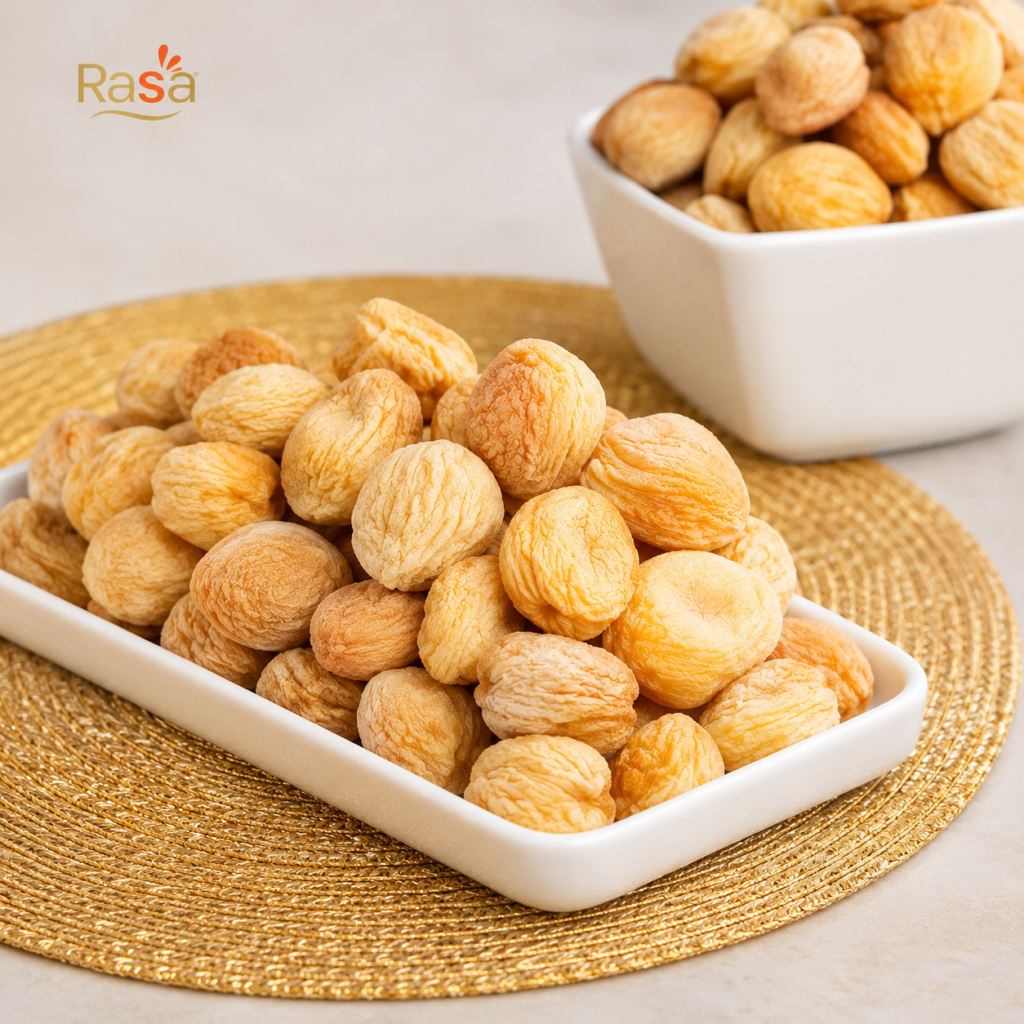
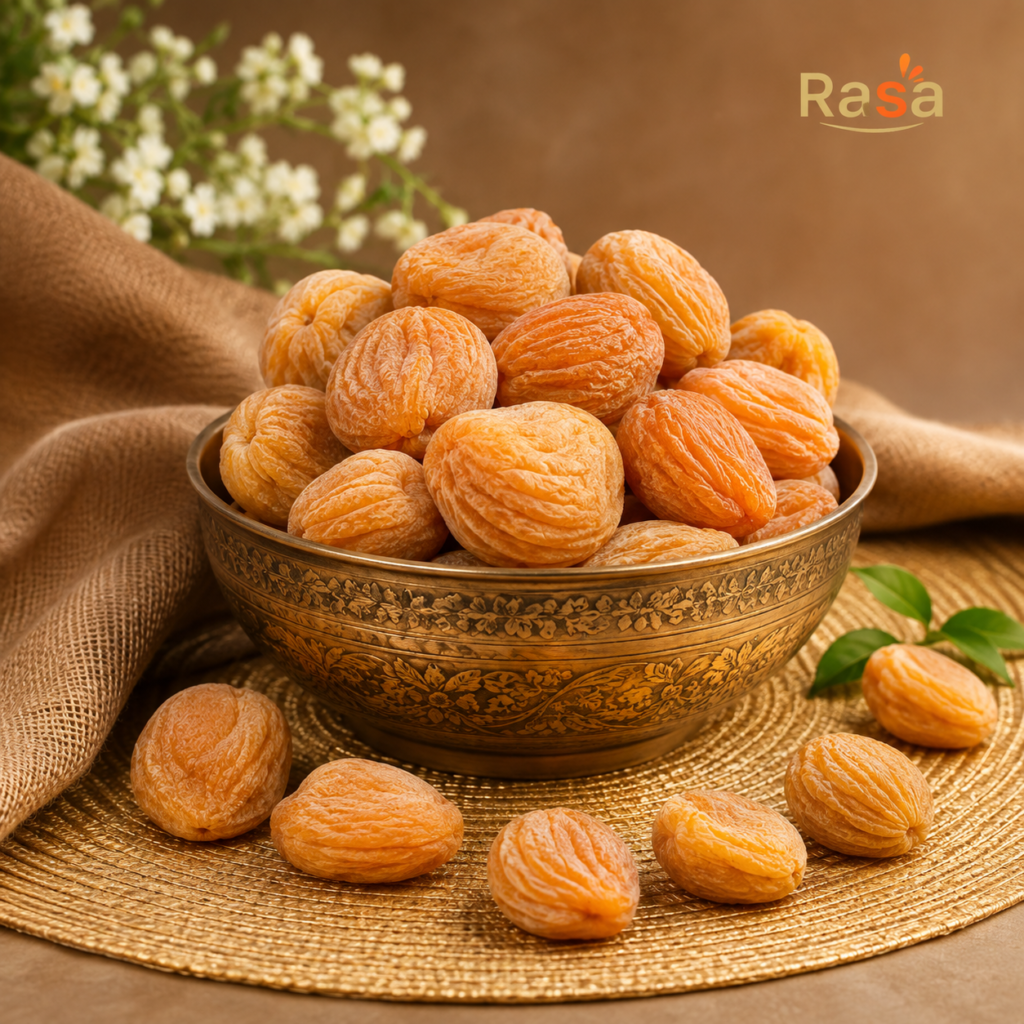
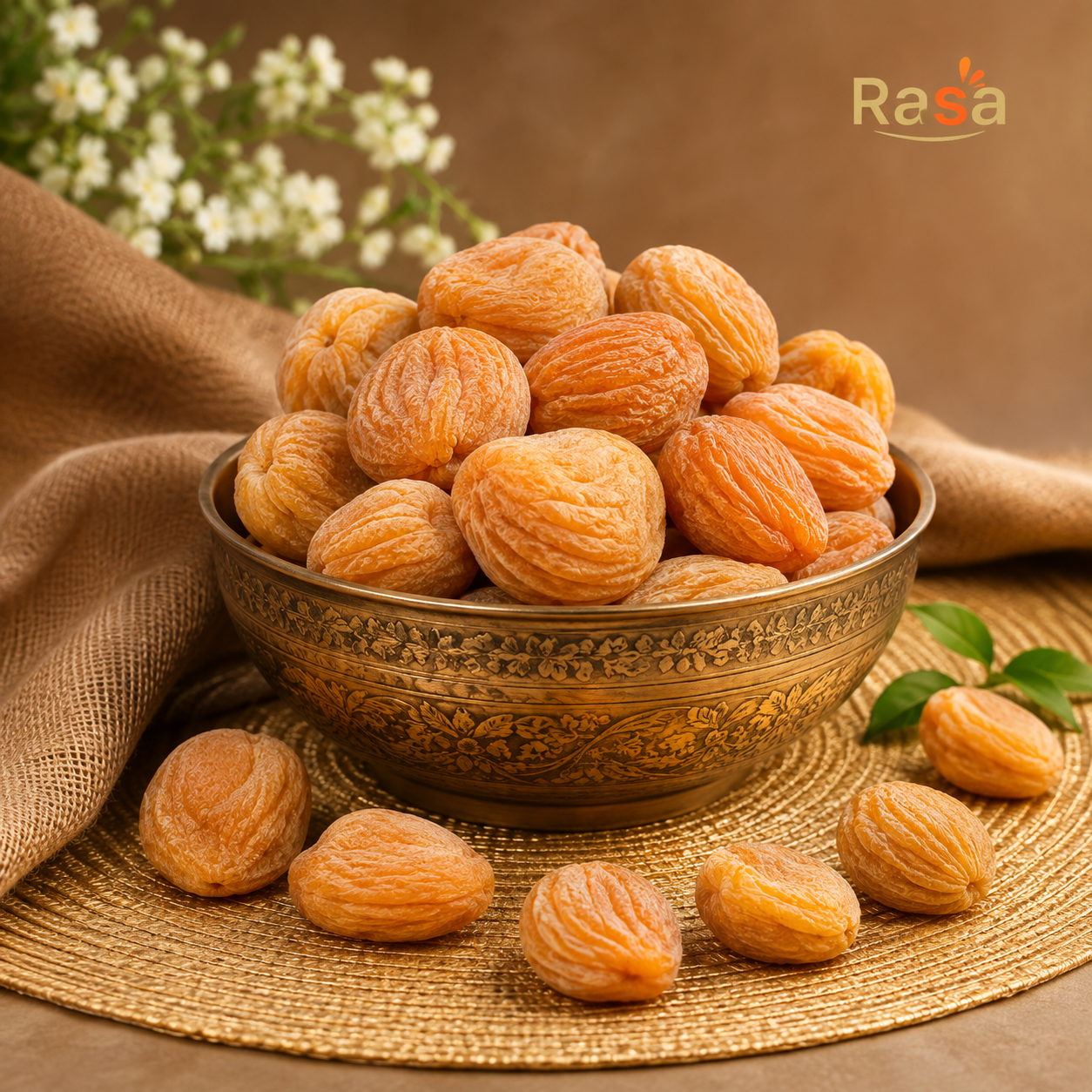
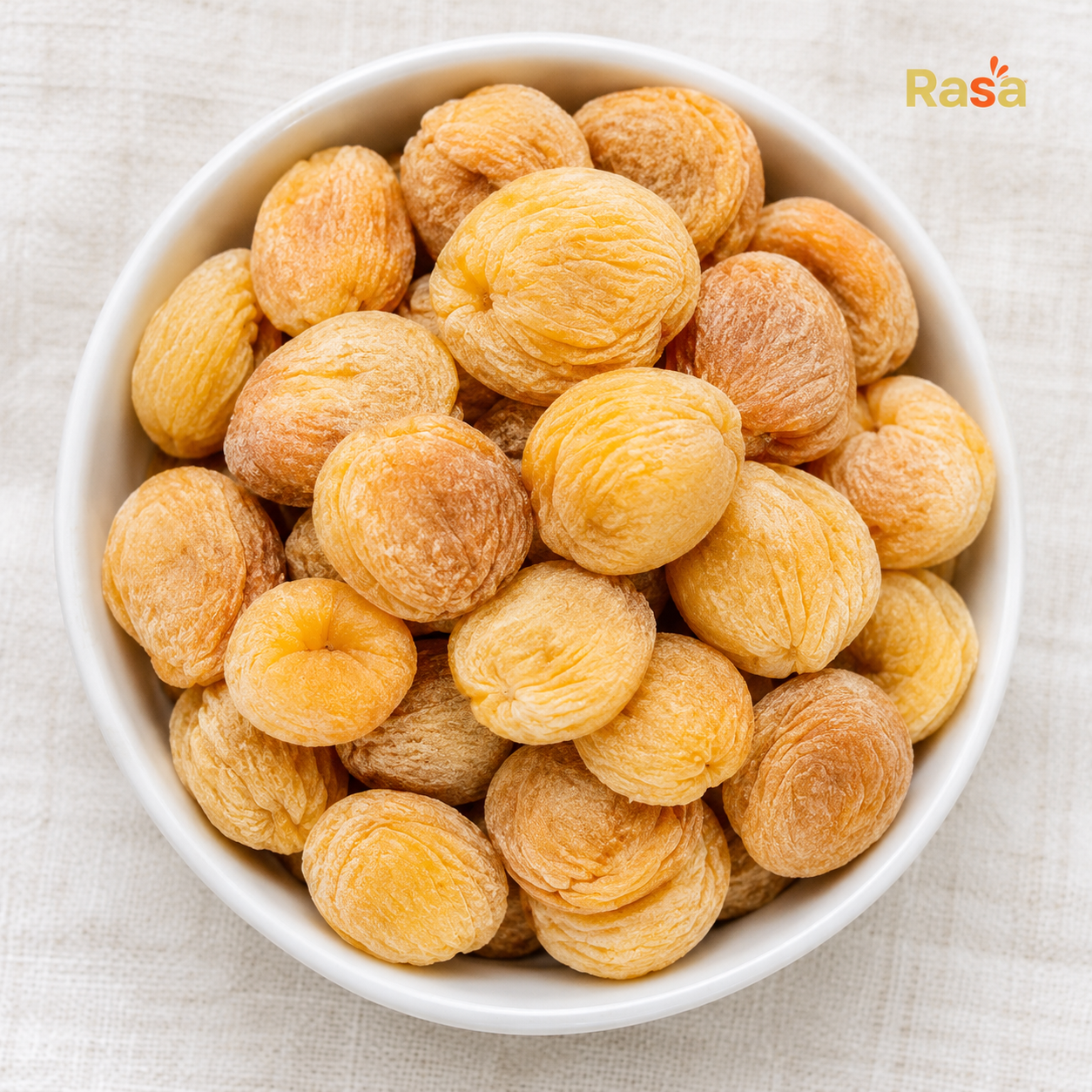
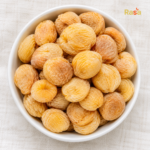
Known as Khubani in Pakistan and widely enjoyed around the world, apricots are appreciated for their distinctive golden-orange colour, delicate fruity aroma and naturally rich flavour. Through careful drying and preparation, fresh apricots are transformed into a convenient, flavourful dried fruit that can be enjoyed throughout the year.
At Rasa.pk, our dried apricots are prepared with attention to hygiene, careful handling and product quality. The drying process is intended to retain a pleasantly tender texture, rather than producing an excessively hard or brittle product.
Whether enjoyed directly as a snack, added to breakfast bowls, mixed with nuts or incorporated into traditional desserts, these delicious dried apricots bring natural fruity flavour to everyday food experiences.
✨ What Makes Rasa.pk Dried Apricots Special?
🍑 Naturally Fruity Flavour
Enjoy the characteristic sweetness and mild tanginess of apricots, with a delightful fruity taste that makes them enjoyable on their own or in recipes.
🌿 Carefully Dried Preparation
The apricots are prepared through a drying process designed to create a convenient, flavourful dried fruit with an enjoyable texture.
💧 Pleasantly Soft Texture
Unlike excessively hard dried fruit, these apricots have a little softness, making them enjoyable to chew and convenient to use in various recipes.
🧼 Hygienic Handling and Preparation
Attention is given to hygienic handling and preparation to support product cleanliness and quality.
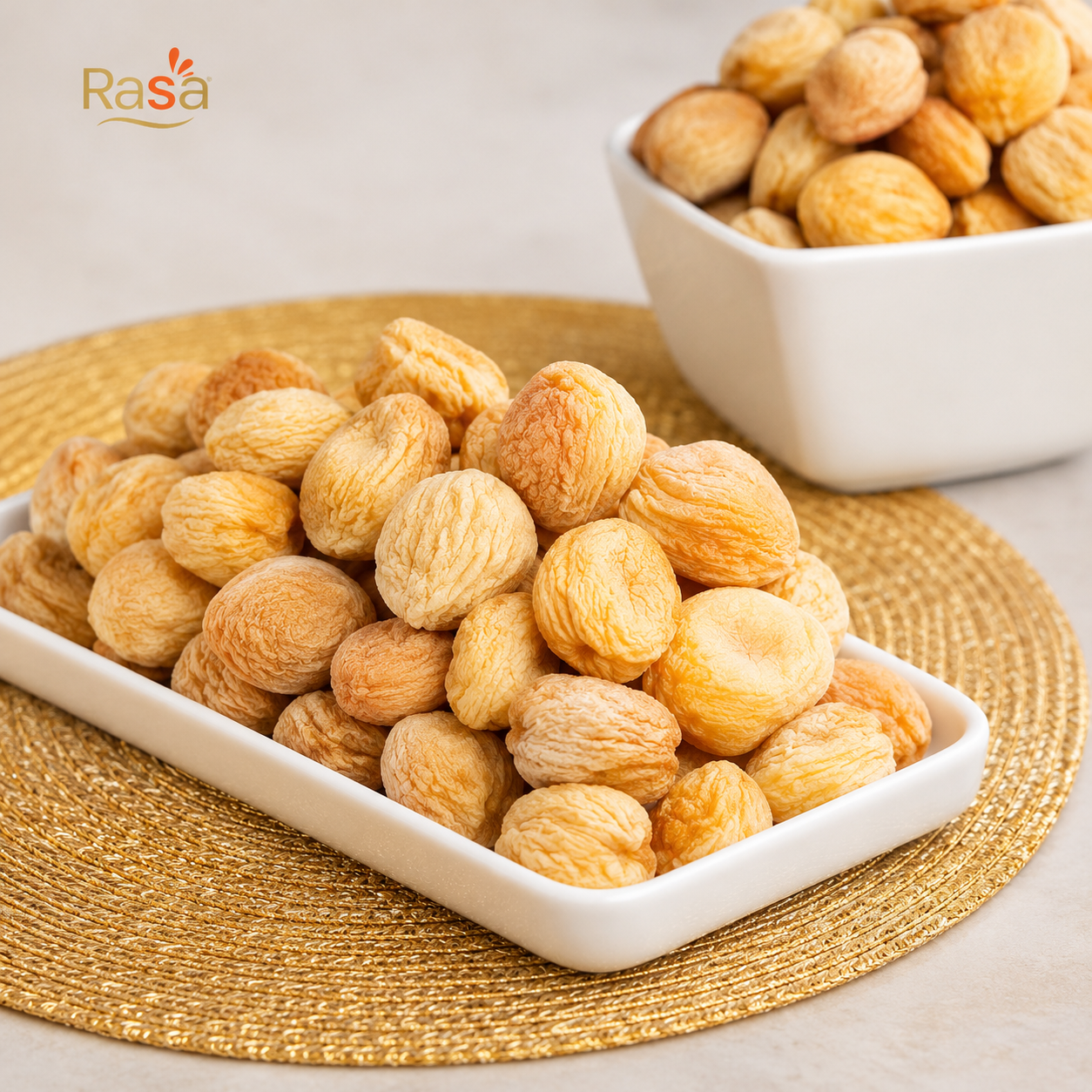
✨ Naturally Attractive Appearance
Their characteristic golden, amber or orange-brown shades give them an appealing appearance, making them a beautiful addition to breakfast bowls, dessert platters and snack assortments.
🥣 Versatile Everyday Food
Enjoy them as a snack, combine them with almonds and walnuts, or use them in traditional desserts, baking and savoury cooking.
🍑 About Apricots (Khubani)
Apricots are the edible fruits of the apricot tree, botanically known as Prunus armeniaca. They belong to the stone-fruit family and are appreciated for their soft flesh, delicate aroma and pleasant balance of sweetness and acidity.
Fresh apricots contain a substantial amount of water. During drying, much of this water is removed, resulting in a more concentrated fruit with a different texture and nutritional composition.
Dried apricots are particularly popular in South Asian, Middle Eastern and Mediterranean cuisines.
They are commonly used in:
- Traditional desserts and sweet dishes
- Breakfast cereals and oatmeal
- Homemade trail mixes
- Fruit and nut combinations
- Cakes, cookies and muffins
- Rice dishes and festive cooking
- Homemade chutneys and fruit sauces
🌟 Nutritional Characteristics of Dried Apricots
Dried apricots contain naturally occurring carbohydrates, dietary fibre and various micronutrients. Their distinctive nutritional composition makes them a flavourful addition to a varied and balanced diet.
1. Naturally Occurring Carbohydrates
Apricots contain naturally occurring fruit sugars and other carbohydrates. Because drying removes water, these components become more concentrated by weight than in fresh apricots.
2. Dietary Fibre
Dried apricots provide dietary fibre, contributing to the overall fibre content of meals and snacks.
3. Naturally Occurring Potassium
Apricots are a source of potassium, an essential dietary mineral found naturally in many fruits and vegetables.
4. Vitamin A-Related Carotenoids
Apricots naturally contain carotenoid pigments, including beta-carotene, which contributes to their characteristic orange colour.
5. Other Naturally Occurring Nutrients
Depending on the fruit variety and drying process, dried apricots also contain smaller quantities of minerals and vitamins, including iron, copper and vitamin E.
📊 Indicative Nutritional Profile
The following table provides general reference information for dried apricots. Actual nutritional composition varies according to fruit variety, moisture level, drying conditions and any added ingredients.
| Nutritional Component | General Characteristics |
|---|
| Energy | Concentrated source of food energy |
| Carbohydrates | Naturally occurring fruit carbohydrates |
| Natural Sugars | Naturally present in apricot fruit |
| Dietary Fibre | Naturally present |
| Protein | Contains a small amount of plant protein |
| Total Fat | Naturally very low |
| Potassium | Naturally occurring mineral |
| Iron | Present in small quantities |
| Copper | Naturally occurring trace mineral |
| Magnesium | Present in small quantities |
| Vitamin A Precursors | Carotenoids, including beta-carotene |
| Vitamin E | Present in small quantities |
Nutrition declaration note: Exact values per 100 g should be confirmed through the supplier’s product specification or laboratory analysis. Moisture content and sulphur treatment can affect the finished product’s composition. Do not use fresh-apricot nutrition figures as the nutrition declaration for dried apricots.
🧾 Ingredients and Product Information
| Product Detail | Information |
|---|
| Product Name | Premium Soft-Dried Apricots |
| Common Name | Khubani |
| Main Ingredient | Apricots |
| Botanical Name | Prunus armeniaca |
| Product Category | Dried Fruits |
| Preparation | Dried fruit |
| Texture | Soft and pleasantly tender |
| Taste | Naturally sweet with mild fruity tanginess |
| Appearance | Golden, amber or orange-brown, depending on processing |
| Food Type | Ready-to-eat dried fruit |
| Handling | Hygienic preparation and handling |
| Origin | Confirm from supplier |
| Added Sugar | Confirm from product formulation |
| Added Preservatives | Confirm from supplier specification |
| Sulphur Dioxide / Sulphites | Confirm from supplier specification |
| Organic Certification | Verify certification before using a certified-organic claim |
Ingredient declaration: If the product contains only dried apricots, the ingredient list may be declared as apricots. If sulphites, preservatives, added sugar, oil or any other ingredient is used, all applicable ingredients and allergens must be declared accurately.
🍽️ Delicious Ways to Enjoy Rasa.pk Dried Apricots
Dried apricots are wonderfully versatile. Their sweet and mildly tangy flavour complements breakfast dishes, snacks, desserts and savoury recipes.
🍑 1. Enjoy as a Ready-to-Eat Snack
Enjoy a few dried apricots directly from the pack.
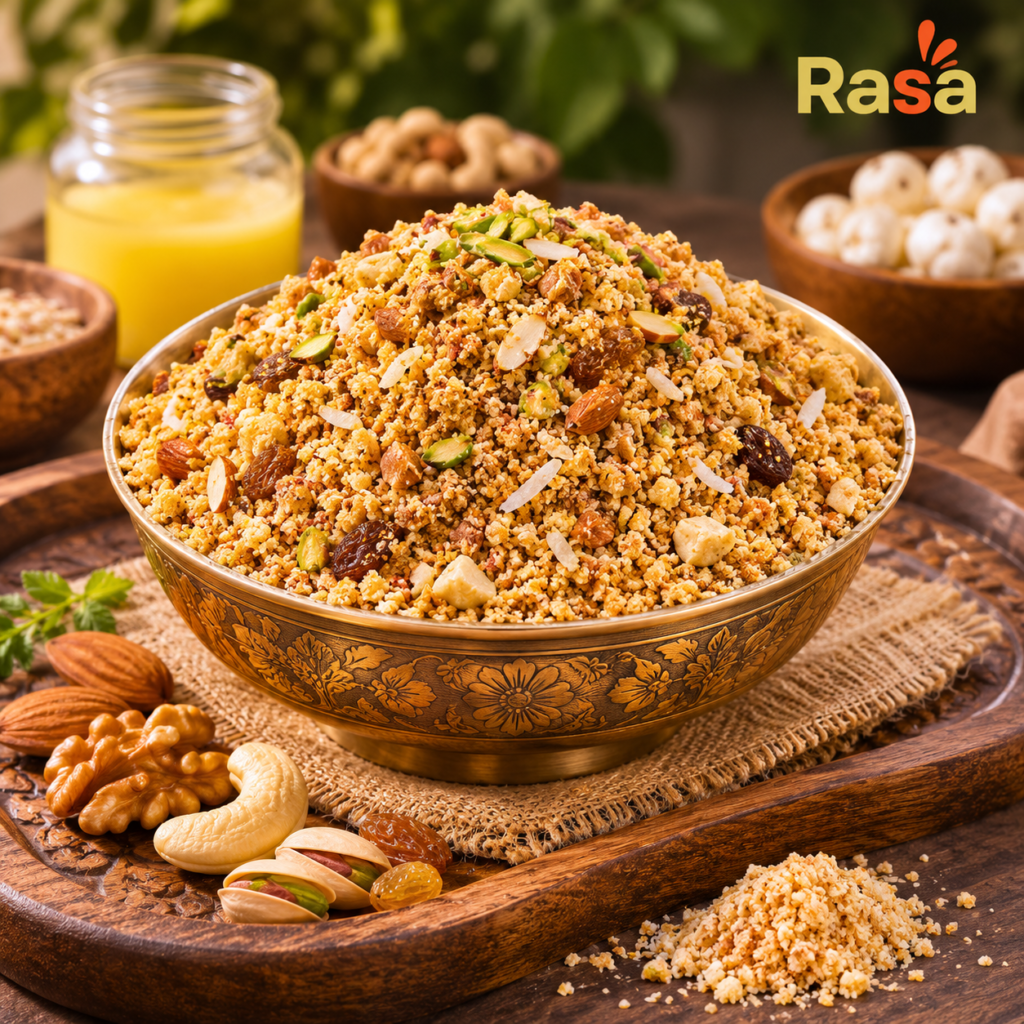
They can also be combined with almonds, walnuts, pistachios and raisins to create a delicious homemade dry-fruit mixture.
🥣 2. Apricot Breakfast Bowl
A colourful and flavourful breakfast option.
Ingredients:
- 3–4 dried apricots, chopped
- ½ cup oats
- ½ cup yoghurt or milk
- 1 tablespoon chopped almonds
- 1 teaspoon chia seeds (optional)
- Fresh banana slices
Preparation:
- Prepare the oats with milk or serve them soaked overnight.
- Add yoghurt if desired.
- Chop the dried apricots into small pieces.
- Add apricots, almonds, chia seeds and banana.
- Serve fresh.
🥜 3. Homemade Apricot and Nut Trail Mix
A convenient snack combination for home, work or travel.
Ingredients:
- ½ cup dried apricots
- ¼ cup almonds
- ¼ cup walnuts
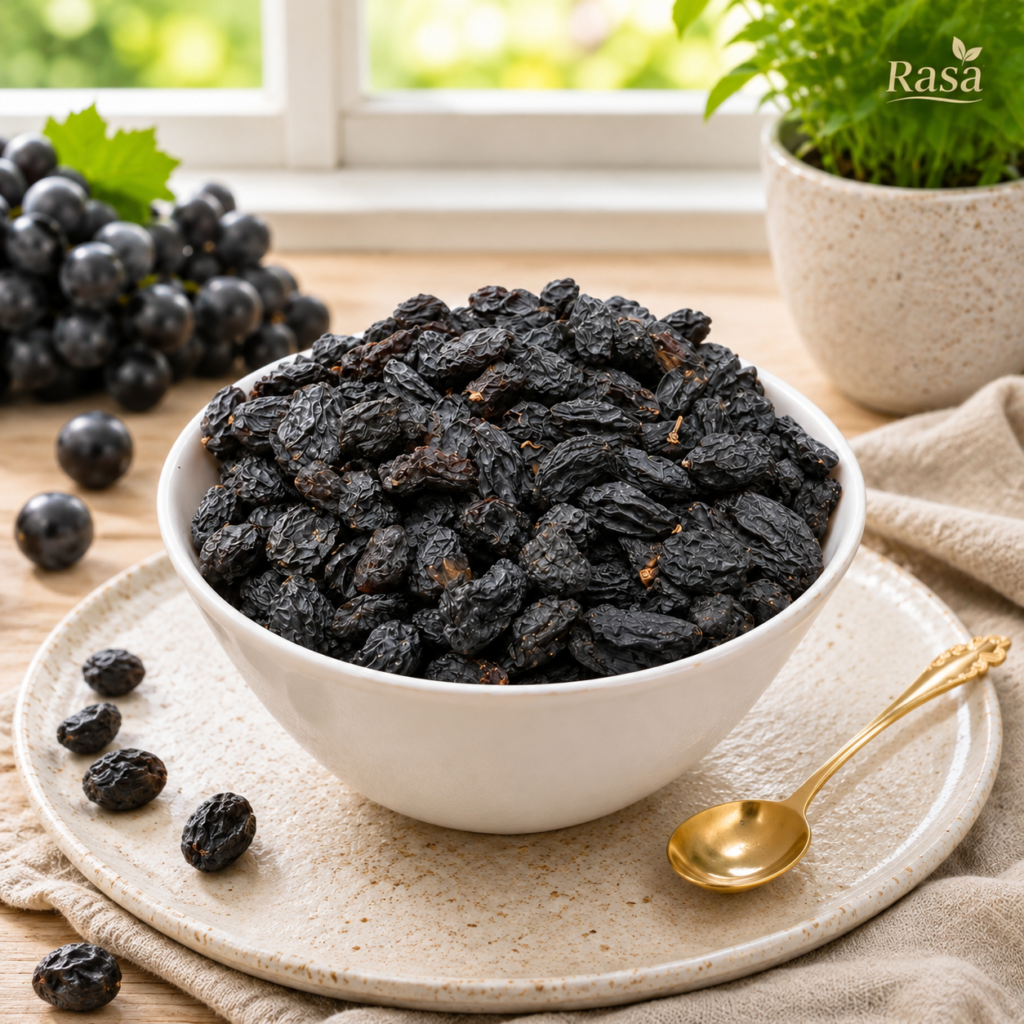
- 2 tablespoons raisins
- 2 tablespoons pumpkin seeds
Preparation:
- Cut the apricots into bite-sized pieces.
- Combine all ingredients in a clean bowl.
- Mix thoroughly.
- Store in an airtight container.
🍯 4. Apricot and Honey Breakfast Topping
A delicious combination for breakfast and desserts.
Ingredients:
- 4 dried apricots, chopped
- 1 tablespoon honey
- ½ cup yoghurt
- 1 tablespoon chopped nuts
- A pinch of cinnamon
Preparation:
- Place yoghurt in a serving bowl.
- Add chopped dried apricots.
- Drizzle with honey.
- Finish with nuts and cinnamon.
🍚 5. Traditional Apricot Pulao
Dried apricots can add a delightful sweet and fruity contrast to savoury rice dishes.
Ingredients:
- 2 cups cooked rice
- 4–5 dried apricots, chopped
- 1 tablespoon raisins
- 1 tablespoon cashews
- Whole spices
- A little ghee or cooking oil
- Salt to taste
Preparation:
- Lightly warm the spices in ghee or oil.
- Add raisins and chopped apricots.
- Add cooked rice and combine gently.
- Finish with roasted cashews.
- Serve warm.
🧁 6. Apricot Muffins and Cookies
Chopped dried apricots make a delicious addition to homemade bakery products.
Ingredients:
- 1 cup flour
- ½ cup chopped dried apricots
- ¼ cup sugar
- 1 egg
- ¼ cup milk
- ¼ cup butter or suitable cooking oil
- 1 teaspoon baking powder
Preparation:
- Combine the dry ingredients.
- Mix the egg, milk and butter separately.
- Combine both mixtures.
- Fold in chopped apricots.
- Bake in a preheated oven at approximately 180°C until cooked through.
🍮 7. Apricot Dessert Compote
A delicious topping for pancakes, yoghurt, custards and desserts.
Ingredients:
- ½ cup dried apricots
- 1 cup water
- A small cinnamon stick
- A little lemon juice
Preparation:
- Add the apricots and water to a saucepan.
- Simmer gently until the fruit softens.
- Add cinnamon and a little lemon juice.
- Allow to cool before serving.
🥗 Serving Suggestions
| Occasion | Suggested Use |
|---|
| Breakfast | Add to oats, cereals and yoghurt |
| Midday Snack | Enjoy directly from the pack |
| Family Gatherings | Serve with mixed nuts and dried fruits |
| Desserts | Use in kheer, custards and puddings |
| Baking | Add to cakes, muffins and cookies |
| Traditional Cooking | Add to pulao and selected savoury dishes |
| Homemade Snacks | Combine with dates, almonds and walnuts |
| Gift Platters | Include in premium dried-fruit assortments |
⚖️ Suggested Portion and Enjoyment
Dried apricots are a concentrated dried-fruit food because much of their natural water content has been removed.
A practical serving suggestion for many adults is approximately 25–30 g, depending on individual dietary requirements and the rest of the diet.
They can be enjoyed directly or incorporated into meals and recipes.
This is a general food-serving suggestion, not a medicinal dosage.
⚠️ Important Food Safety and Cautions
1. Sulphite Sensitivity
Some commercially dried apricots are treated with sulphur dioxide or sulphites to help preserve their colour and appearance. Sensitive individuals may experience reactions. Check the product label or supplier specification to confirm whether sulphites are present.
2. Food Allergies and Cross-Contact
People with known apricot allergies should avoid the product. Individuals with other food allergies should also check possible cross-contact during processing and packaging.
3. Portion Awareness
Dried apricots contain concentrated natural sugars and carbohydrates. Enjoy them in moderate portions, particularly if monitoring carbohydrate intake or blood glucose.
4. Potassium Considerations
People who have been advised to restrict dietary potassium should follow their healthcare professional’s or registered dietitian’s recommendations regarding dried fruit consumption.
5. Young Children
Whole dried fruit may be difficult for young children to chew and can present a choking risk. Cut into age-appropriate small pieces and supervise eating.
6. Hygiene and Storage
Always use clean, dry hands or utensils when handling the product. Keep the pack sealed after opening.
7. Spoilage Signs
Do not consume the product if it develops visible mould, an unusual fermented smell, abnormal stickiness or an unpleasant taste.
8. Individual Dietary Requirements
People following a medically prescribed diet or managing a specific health condition should seek individual dietary guidance from an appropriately qualified healthcare professional or registered dietitian.
This product is a food item intended for normal dietary enjoyment. It is not a medicine and no therapeutic use or medicinal dosage is intended.
📦 Storage Recommendations
To maintain the taste, texture and quality of dried apricots:
- Store in a clean, airtight container.
- Keep away from direct sunlight and excessive heat.
- Protect from moisture and humidity.
- Avoid leaving the pack open for extended periods.
- Use a clean, dry spoon or utensil when handling.
- Follow the best-before date and storage instructions on the packaging.
- Because these apricots retain some softness, follow the supplier’s recommended storage conditions carefully. Refrigeration may be suitable after opening, particularly in warm or humid environments.
❓ Frequently Asked Questions
Q1. What are dried apricots called in Pakistan?
Dried apricots are commonly known as Khubani in Pakistan.
Q2. Are Rasa.pk dried apricots soft?
They have a pleasantly soft texture with a little natural tenderness, making them enjoyable as a snack and convenient for recipes.
Q3. How do dried apricots taste?
They have a naturally sweet, fruity flavour with a mild tangy note.
Q4. Can dried apricots be eaten directly?
Yes. They can be enjoyed directly as a ready-to-eat dried-fruit snack.
Q5. Can I soak dried apricots before eating?
Yes. You can soak them in clean drinking water until they soften further. Refrigerate during soaking if not consuming immediately.
Q6. Can dried apricots be used in desserts?
Absolutely. They are suitable for kheer, puddings, cakes, muffins, cookies, fruit compotes and other desserts.
Q7. Do dried apricots contain natural sugar?
Yes. Apricots naturally contain fruit sugars, which become more concentrated by weight during drying.
Q8. How should dried apricots be stored?
Keep them in a tightly sealed container in a cool, dry place, following the packaging instructions.
Q9. Are dried apricots the same as fresh apricots?
They come from the same fruit, but drying removes much of the water. This changes their texture, weight and nutritional composition.
Q10. Are all dried apricots sulphite-free?
No. Some commercially dried apricots contain sulphites, while others do not. Check the product label or supplier information.
❤️ Why Choose Rasa.pk?
At Rasa.pk, we appreciate the simple pleasure of quality food, carefully handled and thoughtfully presented.
Our Premium Soft-Dried Apricots bring together:
🍑 A naturally sweet and fruity taste
✨ A pleasantly soft and tender texture
🌿 Carefully dried fruit preparation
🧼 Attention to hygienic handling
🥣 Versatility for snacks, desserts and everyday recipes
❤️ A delicious addition to your dried-fruit collection
From your morning breakfast to your favourite desserts, enjoy the delightful taste of Khubani with Rasa.pk.
🌿 Rasa.pk – Pure • Natural • Authentic
✨ Healthy sweetness starts with Rasa.pk.
🛒 Explore the Rasa.pk collection and enjoy the naturally delightful taste of premium dried apricots!





























Reviews
Clear filtersThere are no reviews yet.