Pure • Natural • Authentic | Rasa.pk
🌺 Experience the Delicate Beauty of Pomegranate Flower Tea
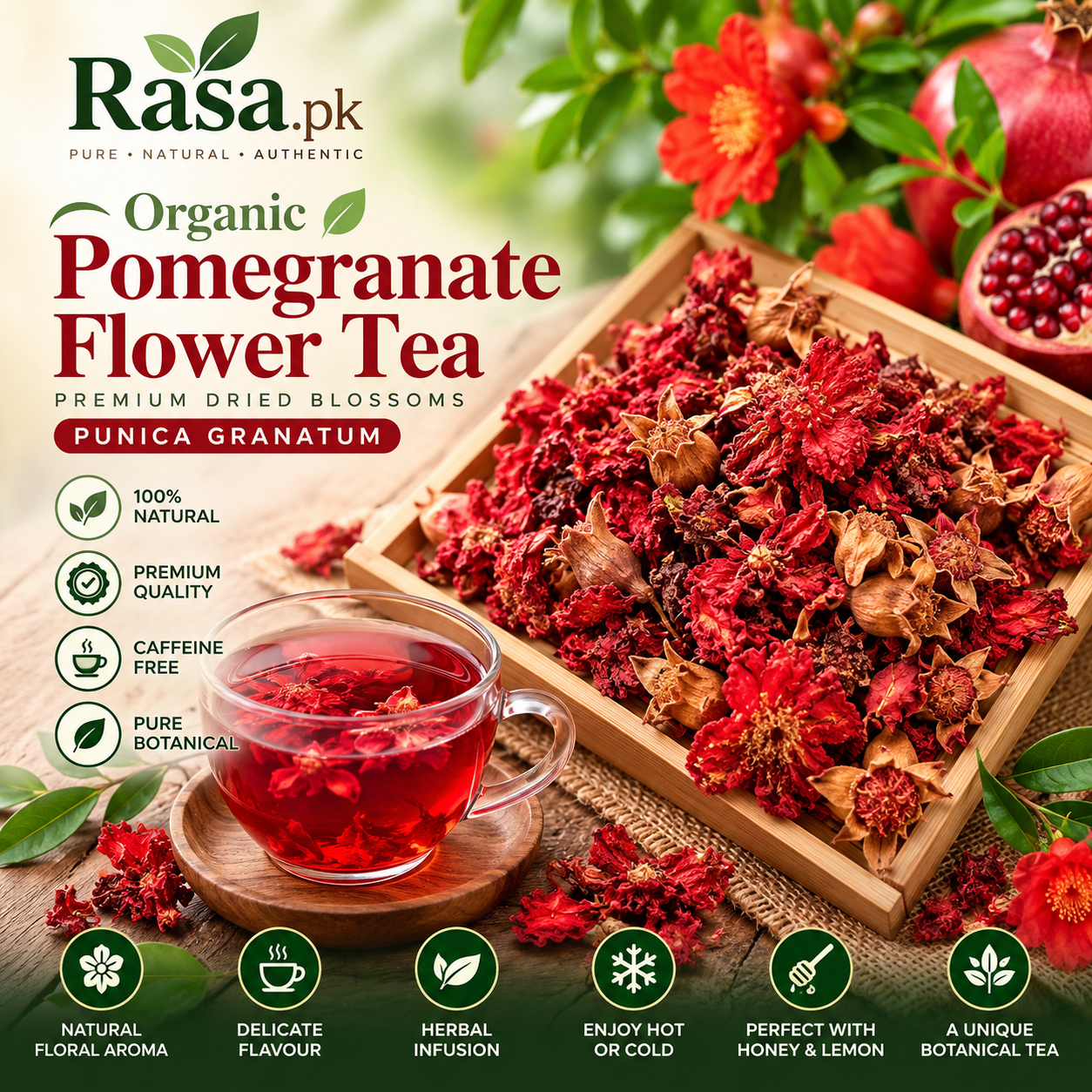
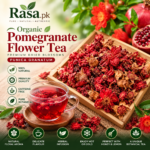
Discover the distinctive botanical character of Pomegranate Flower Tea, prepared from the dried blossoms of the pomegranate plant, botanically known as Punica granatum.
Known for its beautiful flowering appearance and rich botanical heritage, the pomegranate plant has a long-standing place in traditional food cultures and botanical traditions. Its flowers are admired for their naturally attractive appearance, delicate floral character and distinctive place in the world of botanical ingredients.
At Rasa.pk, we present Pomegranate Flower Tea for those who appreciate natural herbal infusions, traditional plant ingredients and thoughtfully selected botanical products.
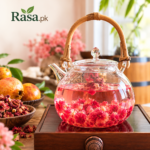
When steeped in hot water, dried pomegranate flowers create an aromatic botanical infusion with a delicate floral character and a naturally distinctive taste. The resulting drink can be enjoyed warm or chilled, served on its own or combined with selected ingredients such as lemon, mint, cinnamon or honey.
Whether you enjoy exploring traditional herbal teas, preparing homemade botanical beverages or discovering interesting ingredients from nature, Pomegranate Flower Tea offers a unique addition to your tea collection.
🌿 A beautiful flower. A distinctive botanical infusion. A naturally inspired tea experience.
✨ Product Highlights
| Product Feature | Description |
|---|
| Product Name | Pomegranate Flower Tea |
| Common Name | Pomegranate Blossom Tea |
| Botanical Name | Punica granatum |
| Plant Family | Lythraceae |
| Product Part | Pomegranate flowers / blossoms |
| Product Category | Dried Botanical Tea Ingredient |
| Product Form | Dried flowers, subject to actual product form |
| Appearance | Naturally reddish, pinkish or brownish dried floral material; varies with processing |
| Aroma | Characteristic mild floral and botanical aroma |
| Taste | Delicate, mildly tart or astringent floral character; varies with preparation |
| Preparation | Botanical infusion |
| Main Ingredient | Pomegranate flowers |
| Added Ingredients | None intentionally added, unless declared |
| Artificial Colours | None intentionally added, if verified |
| Artificial Flavours | None intentionally added, if verified |
| Preservatives | None intentionally added, if verified |
| Available Packing | Add confirmed product weights |
| Storage | Keep sealed in a cool, dry place |
🌿 What Is Pomegranate Flower Tea?
Pomegranate Flower Tea is a botanical infusion made using the dried flowers of the pomegranate plant.
The pomegranate, Punica granatum, is a flowering fruit-bearing plant cultivated in different parts of the world. While its fruit is widely appreciated for its edible seeds and distinctive flavour, its flowers are also recognised in traditional botanical literature and regional plant-use traditions.
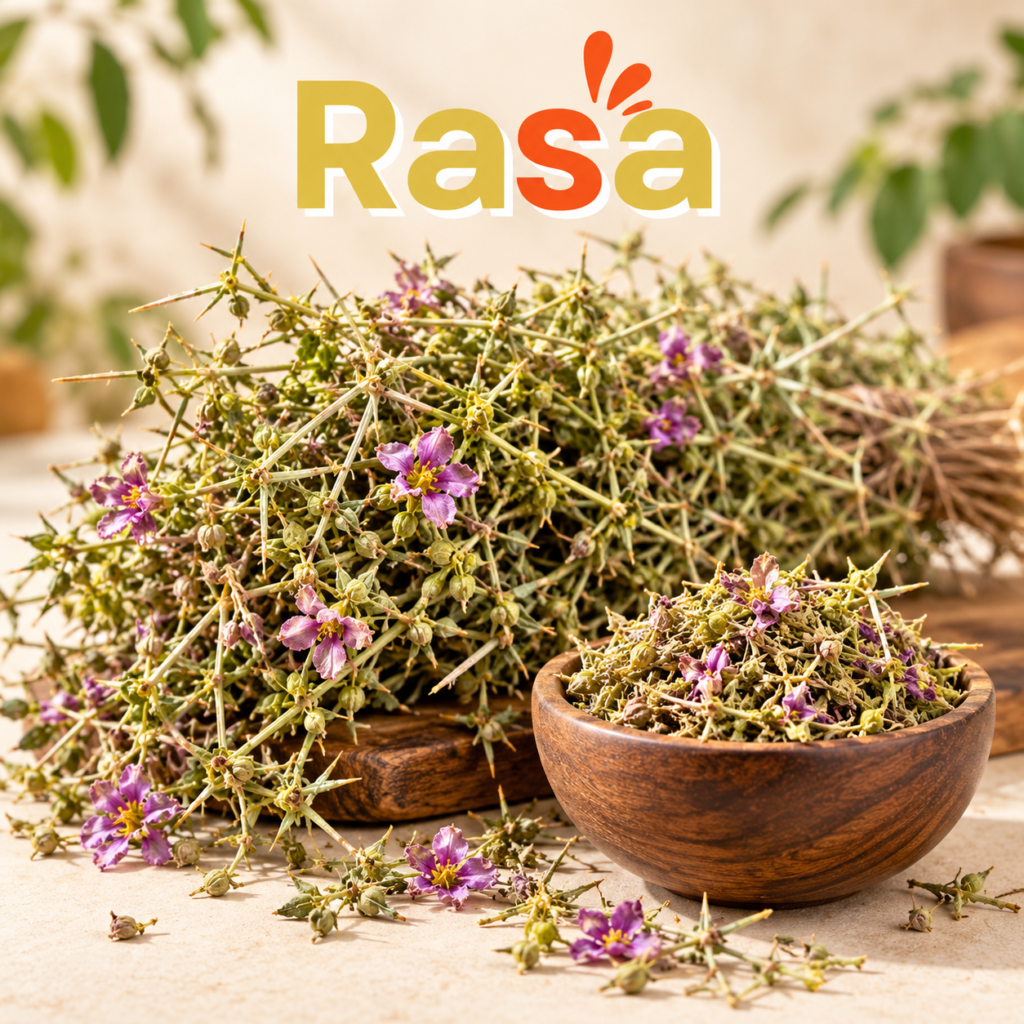
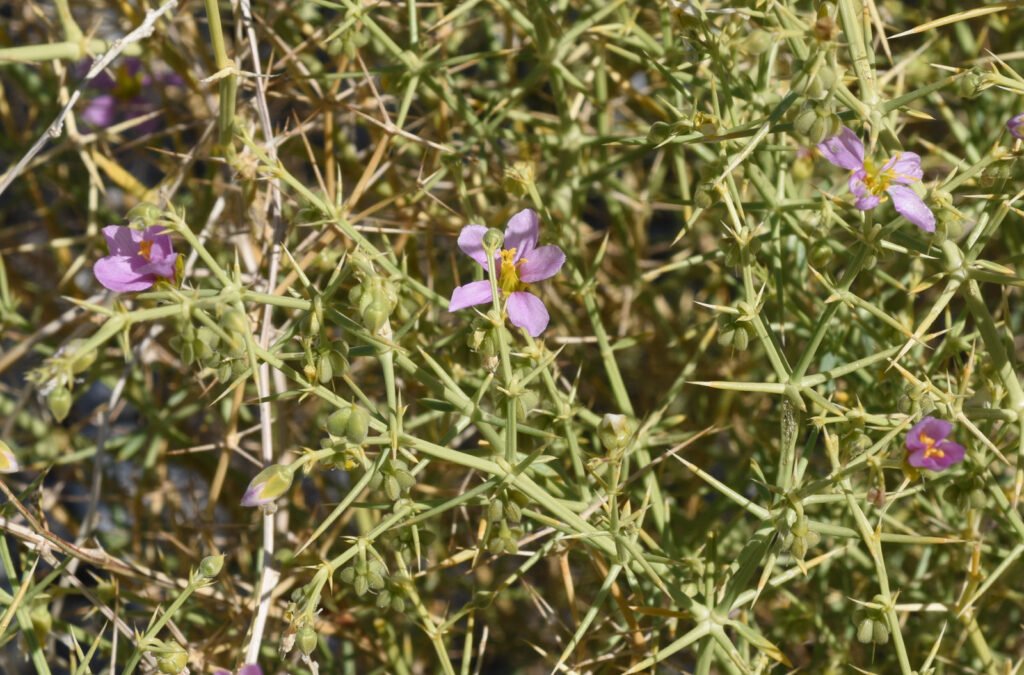
Pomegranate blossoms are naturally attractive and may vary in colour depending on the variety, growing conditions and stage of flowering.
Once appropriately collected and dried, the flowers can be used as a botanical ingredient for preparing a floral infusion.
Unlike conventional tea made from Camellia sinensis, pomegranate flower infusion is prepared from flowers rather than tea leaves.
This makes it a distinctive addition to the wider world of herbal and botanical beverages.
🌸 Botanical Profile of Pomegranate
| Botanical Feature | Description |
|---|
| Botanical Name | Punica granatum |
| Common Name | Pomegranate |
| Flower Name | Pomegranate Blossom / Pomegranate Flower |
| Plant Family | Lythraceae |
| Plant Type | Flowering fruit-bearing shrub or small tree |
| Plant Part Used | Flower |
| Flower Appearance | Naturally attractive flowers, often red to orange-red depending on variety |
| Fruit | Pomegranate |
| Botanical Origin | Native to a region extending from Iran to northern India; now cultivated widely |
| Traditional Association | South Asian, Middle Eastern and regional botanical traditions |
| Product Form | Dried flowers |
| Preparation Type | Floral infusion |
🍃 Natural Characteristics of Dried Pomegranate Flowers
Pomegranate flowers have a distinctive botanical appearance. Their natural colour, structure and aroma may change slightly during harvesting, drying and storage.
| Characteristic | Description |
|---|
| Appearance | Dried floral pieces or whole blossoms, depending on processing |
| Colour | Red, reddish-brown, pinkish or darker natural tones |
| Texture | Dry and delicate |
| Aroma | Mild, naturally floral and botanical |
| Infusion Colour | May range from light golden-red to reddish-brown depending on quantity and steeping |
| Taste | May be mildly tart, floral or astringent |
| Natural Variation | Colour, size and aroma can vary between batches |
| Processing | Should be confirmed with supplier documentation |
Natural variations are expected in botanical materials. However, visible mould, dampness, insect infestation, unusual odour or signs of contamination should never be considered normal.
🌺 Traditional Botanical Heritage
Pomegranate has a long history in the food and botanical traditions of different regions, including South Asia and the Middle East.
Its fruit, peel, flowers and other plant parts have been discussed in traditional botanical literature. Different plant parts have different compositions and uses, and information about pomegranate fruit or peel should not automatically be applied to pomegranate flowers.
Pomegranate blossoms are particularly interesting because they contain naturally occurring plant compounds that have been discussed in botanical and scientific literature.
Traditional references and laboratory research should not be confused with proof that a prepared flower infusion provides a particular clinical benefit.
At Rasa.pk, we focus on the product’s botanical identity, natural characteristics, traditional background and beverage applications.
🧪 Botanical Composition and Naturally Occurring Compounds
Pomegranate flowers have been investigated for their naturally occurring phytochemicals. The composition may vary depending on the plant variety, growing environment, flower maturity, drying conditions and extraction method.
| Compound Category | Botanical Context |
|---|
| Polyphenols | A broad group of naturally occurring plant compounds |
| Flavonoids | Plant-derived compounds reported in pomegranate botanical research |
| Tannins | Naturally occurring compounds that may contribute to an astringent taste |
| Phenolic Acids | A category of plant-derived compounds |
| Anthocyanins and Related Pigments | Pigment compounds associated with colour in some plant tissues |
| Other Phytochemicals | Additional naturally occurring compounds may be present |
Important: The presence and concentration of these compounds in Rasa.pk’s particular product have not been established without batch-specific laboratory testing. Their presence should not be interpreted as proof of a therapeutic effect.
🌿 Ingredients and Composition
| Ingredient | Description |
|---|
| Primary Ingredient | Dried Pomegranate Flowers (Punica granatum) |
| Additional Herbs | None intentionally added, unless declared |
| Added Sugar | None intentionally added, unless declared |
| Artificial Colours | None intentionally added, unless declared |
| Artificial Flavours | None intentionally added, unless declared |
| Preservatives | None intentionally added, unless declared |
| Fillers | None intentionally added, unless declared |
| Processing Aids | Confirm through supplier documentation where applicable |
Ingredient Transparency: The final product label should accurately identify the plant material and declare any additional ingredients. Only use the term organic when the product’s organic production status is supported by appropriate certification or supplier documentation.
📊 Nutritional Profile of Pomegranate Flower Tea
Dried pomegranate flowers are botanical plant material rather than a standardised conventional tea product.
Reliable numerical nutrition values for this specific Rasa.pk product have not been supplied. Furthermore, the composition of a prepared infusion differs from that of the dried flowers because only some water-soluble compounds transfer into the drink.
The following table therefore identifies the nutritional information that would require laboratory testing.
| Nutritional Parameter | Product-Specific Information |
|---|
| Energy | Not established |
| Protein | Not established |
| Total Carbohydrates | Not established |
| Total Sugars | Not established |
| Dietary Fibre | Not established for the prepared infusion |
| Total Fat | Not established |
| Calcium | Not established |
| Iron | Not established |
| Potassium | Not established |
| Magnesium | Not established |
| Vitamin C | Not established |
| Polyphenol Content | Requires laboratory analysis |
| Flavonoid Content | Requires laboratory analysis |
| Tannin Content | Requires laboratory analysis |
| Moisture Content | Depends on drying and storage conditions |
🍵 Nutritional Information: Prepared Infusion
| Attribute | Description |
|---|
| Beverage Base | Water infused with pomegranate flowers |
| Added Sugar | None if prepared without sweeteners |
| Added Honey | Optional; changes the sugar and energy content |
| Added Lemon | Optional; changes the beverage composition |
| Added Mint | Optional; changes the beverage composition |
| Calories | Requires analysis of the prepared serving |
| Nutrient Content | Depends on the quantity of flowers, water, steeping time and ingredients |
Nutrition Note: Do not assume that the nutrient profile of pomegranate fruit, seeds or peel is the same as that of pomegranate flowers or their infusion.
🍵 How to Prepare Pomegranate Flower Tea
Pomegranate Flower Tea can be prepared as a simple botanical infusion.
Basic Floral Infusion
Ingredients
| Ingredient | Quantity |
|---|
| Dried Pomegranate Flowers | Use the quantity specified on the product label or advised by a qualified professional |
| Drinking Water | 1 cup |
| Honey | Optional, to taste |
| Lemon | Optional, to taste |
Preparation Method
- Bring fresh drinking water to a boil.
- Allow the water to cool slightly.
- Place the appropriately measured dried flowers in a clean cup or teapot.
- Pour the hot water over the flowers.
- Cover and allow to steep according to the product instructions or professional guidance.
- Strain before serving.
- Add optional ingredients only if suitable for you.
Serve warm and enjoy the distinctive floral character of the infusion.
Preparation Note: No universal dosage or steeping strength is established for this particular product. Follow the product label and seek professional advice before medicinal or concentrated use.
🍋 Delicious Pomegranate Flower Beverage Recipes
The following are beverage and flavour ideas. They are not medicinal preparations.
1. 🌺 Pomegranate Flower & Lemon Infusion
Ingredients
| Ingredient | Quantity |
|---|
| Prepared Pomegranate Flower Infusion | 1 cup |
| Fresh Lemon Juice | A little, to taste |
| Honey | Optional |
| Fresh Mint | 2–3 leaves |
Method
- Prepare the floral infusion according to the product instructions.
- Allow it to cool slightly.
- Add a little fresh lemon juice.
- Add mint leaves.
- Sweeten with honey if desired.
Flavour Profile: Delicate floral notes with a refreshing citrus finish.
2. ❄️ Iced Pomegranate Flower Tea
Ingredients
| Ingredient | Quantity |
|---|
| Prepared Pomegranate Flower Infusion | 1 cup |
| Ice Cubes | As desired |
| Lemon Slice | 1 |
| Fresh Mint | Optional |
| Honey | Optional |
Method
- Prepare the infusion.
- Allow it to cool.
- Pour over ice.
- Add lemon and mint.
- Sweeten if desired and serve chilled.
Flavour Profile: A refreshing, floral-inspired cold beverage.
3. 🍯 Pomegranate Flower & Honey Drink
Ingredients
| Ingredient | Quantity |
|---|
| Prepared Pomegranate Flower Infusion | 1 cup |
| Rasa.pk Honey | Optional, to taste |
| Lemon Juice | Optional |
Method
- Prepare the flower infusion.
- Allow it to cool to a comfortable drinking temperature.
- Stir in honey.
- Add lemon juice if preferred.
- Serve warm or chilled.
4. 🌿 Pomegranate Flower & Mint Beverage
Ingredients
| Ingredient | Quantity |
|---|
| Prepared Pomegranate Flower Infusion | 1 cup |
| Fresh Mint Leaves | 3–4 |
| Lemon Slice | Optional |
| Ice | Optional |
Method
- Prepare the flower infusion.
- Add fresh mint leaves.
- Allow the flavour to develop.
- Strain if desired.
- Serve warm or over ice.
5. 🍂 Pomegranate Flower & Cinnamon Blend
Ingredients
| Ingredient | Quantity |
|---|
| Prepared Pomegranate Flower Infusion | 1 cup |
| Cinnamon Stick | A small piece, optional |
| Honey | Optional |
Method
- Prepare the pomegranate flower infusion.
- Add a small piece of cinnamon during preparation if suitable.
- Strain and serve.
- Add honey if desired.
Flavour Profile: A warm, aromatic combination of floral and spice notes.
🍽️ Other Creative Uses
| Use | Serving Idea |
|---|
| Hot Beverage | Enjoy as a floral botanical infusion |
| Iced Tea | Prepare and serve chilled with ice |
| Citrus Blend | Pair with lemon or orange |
| Mint Blend | Combine with fresh mint for a refreshing flavour |
| Honey Blend | Add honey for a naturally sweet taste |
| Herbal Tea Collection | Include in a collection of botanical infusions |
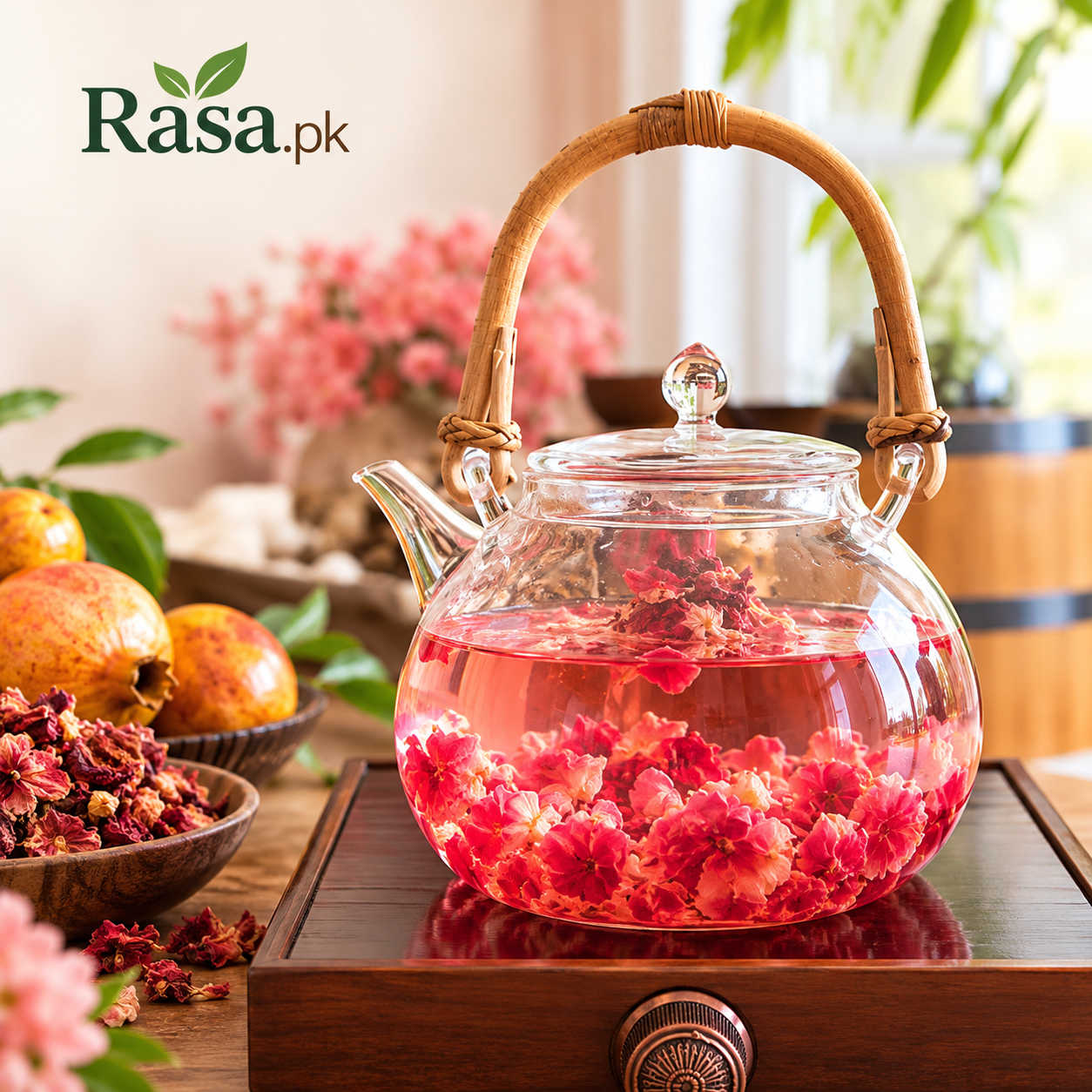
| Beverage Presentation | Use a clear teapot or glass to appreciate the infusion’s natural colour |
| Homemade Drink Recipes | Experiment with suitable fruit and botanical flavour combinations |
💚 Why Explore Pomegranate Flower Tea?
🌺 Distinctive Botanical Ingredient: Prepared from the flowers of Punica granatum.
🍃 Traditional Plant Heritage: Connected with the botanical history of the pomegranate plant.
🍵 Floral Beverage Experience: Offers an interesting alternative to conventional tea leaves.
✨ Versatile Preparation: Can be explored in warm and chilled beverage recipes.
🌿 Natural Plant Character: Retains the characteristic appearance and aroma of dried botanical flowers.
These are product and culinary characteristics, not claims of disease prevention, treatment or cure.
⚠️ Important Cautions and Responsible Use
Although botanical products are natural in origin, natural does not automatically mean suitable for everyone.
Please observe the following precautions:
- Do not consume directly: Do not eat the dried flowers or prepare concentrated products without first confirming their identity, suitability and preparation requirements with a qualified herbalist or appropriately licensed healthcare professional.
- Dosage: No universal safe dosage has been established for this particular product. Consult a qualified professional before use and follow their instructions.
- Pregnancy: Avoid using pomegranate flower preparations during pregnancy unless specifically approved by your healthcare professional.
- Breastfeeding: Seek professional advice before use because safety information for concentrated flower preparations may be limited.
- Children: Do not administer to infants, children or adolescents without appropriate professional guidance.
- Prescription Medicines: Ask your healthcare professional or pharmacist to assess possible interactions before combining botanical preparations with medicines.
- Existing Medical Conditions: People with ongoing medical conditions should obtain individual advice before using concentrated botanical products.
- Allergies: Avoid use if you have a known allergy to pomegranate or related product ingredients.
- Blood Sugar or Blood Pressure Concerns: Do not use concentrated botanical preparations to manage these conditions. Seek professional advice about suitability.
- Surgery: Inform your healthcare professional about herbal and botanical products before planned surgery.
- Product Quality: Do not use material showing mould, dampness, unusual odour, insect infestation or possible contamination.
- Adverse Reactions: Stop use and seek appropriate medical advice if an unexpected reaction occurs.
- Medical Treatment: Do not replace prescribed medication or delay medical assessment in favour of botanical preparations.
Professional Advisory: Pomegranate flower tea is presented by Rasa.pk as a botanical beverage ingredient. Its medicinal dosage, safety for specific conditions and therapeutic effects have not been established for this product. Consult your qualified herbalist or healthcare professional before use, particularly if you intend to consume it regularly or in concentrated preparations.
📦 Storage Instructions
To help preserve the natural characteristics of dried pomegranate flowers:
- Store in a clean, dry and airtight container.
- Keep away from direct sunlight.
- Protect from excessive heat and humidity.
- Avoid exposure to water, steam and wet utensils.
- Keep the packaging sealed between uses.
- Protect from dust, insects and other contaminants.
- Keep away from strong-smelling substances.
- Store out of reach of children and pets.
- Discard if mould, dampness, unusual smell or contamination develops.
Always follow any additional instructions provided on the product packaging.
🔍 Quality and Sourcing Considerations
The quality of dried botanical flowers depends on proper identification, harvesting, drying, handling and storage.
Useful quality checks include:
| Quality Check | Importance |
|---|
| Botanical Identification | Confirms the material is Punica granatum flowers |
| Plant Part Verification | Distinguishes flowers from fruit peel, seeds and other plant parts |
| Harvesting Information | Provides traceability |
| Drying Practices | Helps reduce excess moisture |
| Moisture Testing | Supports appropriate storage and quality assessment |
| Microbiological Testing | Helps assess food safety |
| Pesticide Residue Testing | Supports quality assurance |
| Heavy Metal Testing | Supports product safety assessment |
| Organic Documentation | Supports any organic production claim |
| Packaging Integrity | Helps protect against moisture and contamination |
Visual appearance alone cannot confirm botanical identity, organic status, purity or microbiological safety.
🌱 Organic Product Transparency
The word Organic should be used as a verified production or certification claim only when supported by appropriate documentation.
For customers interested in organic botanical products, relevant information may include:
- Organic certification or supplier documentation.
- Botanical identification and plant-part confirmation.
- Country and region of origin.
- Harvesting and drying information.
- Batch identification and traceability.
- Appropriate quality and safety testing.
Rasa.pk values accurate ingredient information and responsible presentation of natural products.
❓ Frequently Asked Questions
Q1. What is Pomegranate Flower Tea?
It is a botanical infusion prepared from the dried flowers of the pomegranate plant, Punica granatum.
Q2. Is Pomegranate Flower Tea made from pomegranate fruit?
No. This product is specifically made from pomegranate flowers, not fruit seeds, juice or peel.
Q3. What does Pomegranate Flower Tea taste like?
Its taste may be delicate, floral, mildly tart or astringent, depending on the flower material and preparation.
Q4. What colour does the infusion produce?
The colour can vary from light golden-red to reddish-brown depending on the quantity of flowers, steeping conditions and batch characteristics.
Q5. Can it be served cold?
Yes. A properly prepared infusion can be cooled and served over ice as a botanical beverage.
Q6. Can honey be added?
Honey can be added as a sweetening ingredient if suitable for the individual.
Q7. Can it be mixed with mint or lemon?
Yes. Mint and lemon can be used as optional flavouring ingredients in a beverage recipe.
Q8. Is it the same as pomegranate peel tea?
No. Pomegranate flower tea uses the flowers, whereas pomegranate peel tea uses the fruit’s outer covering. These are different botanical materials with different compositions.
Q9. Does it contain caffeine?
A pure pomegranate flower infusion made only from pomegranate flowers is not made from the traditional tea plant, Camellia sinensis, and is naturally expected to be caffeine-free. Check the final ingredient declaration to confirm that no caffeinated ingredients have been added.
Q10. Is it suitable for everyone?
No botanical product is automatically suitable for everyone. Pregnancy, breastfeeding, childhood, allergies, existing conditions and medication use require individual professional consideration.
Q11. How should it be stored?
Keep the dried flowers in a sealed, airtight container in a cool, dry place away from sunlight and moisture.
Q12. Is this product certified organic?
Please refer to the product label and applicable supplier or certification documentation. Organic status should not be assumed without supporting evidence.
💚 Why Choose Rasa.pk?
At Rasa.pk, we appreciate the beauty of nature, the character of traditional botanical ingredients and the importance of transparent product information.
🌺 Botanical Variety: Explore distinctive flowers and plant-based ingredients.
🍃 Natural Product Collection: Discover botanical products for your kitchen and beverage collection.
📦 Product Transparency: Clear information about botanical identity, ingredients and storage.
✨ Authentic Presentation: Product descriptions designed to help customers make informed choices.
🌿 A Natural Approach to Everyday Living: Discover the world of natural ingredients with Rasa.pk.
Explore Pomegranate Flower Tea and discover a distinctive floral infusion from the botanical world.










Reviews
Clear filtersThere are no reviews yet.