🌱 Discover the Natural Character of Common Mallow
Explore the distinctive botanical character of Common Mallow (Khubazi or Khabazi) with Rasa.pk, a plant recognised for its rounded leaves, delicate flowers, and naturally occurring mucilaginous compounds.
Botanically known as Malva neglecta, Common Mallow belongs to the Malvaceae family, which includes several other mallow plants. It has a long history of traditional culinary and botanical use in different regions, where its leaves and other plant parts have been used in selected food preparations and traditional plant-based practices.
The plant is particularly notable for its soft foliage and the naturally slippery texture that can develop when its tissues are exposed to water. This characteristic is associated with mucilage, a group of plant polysaccharides found in several botanical species.
At Rasa.pk, we value clear botanical identification, responsible product presentation, and transparent ingredient information. Our aim is to help customers understand the plant’s identity, natural characteristics, traditional background, and appropriate handling.
Rasa.pk — Pure. Natural. Authentic.
🌿 What Is Common Mallow (Khubazi)?
Common Mallow, Malva neglecta, is a low-growing annual or short-lived perennial herb found in many temperate regions. It may grow in fields, gardens, roadsides, and other disturbed habitats.
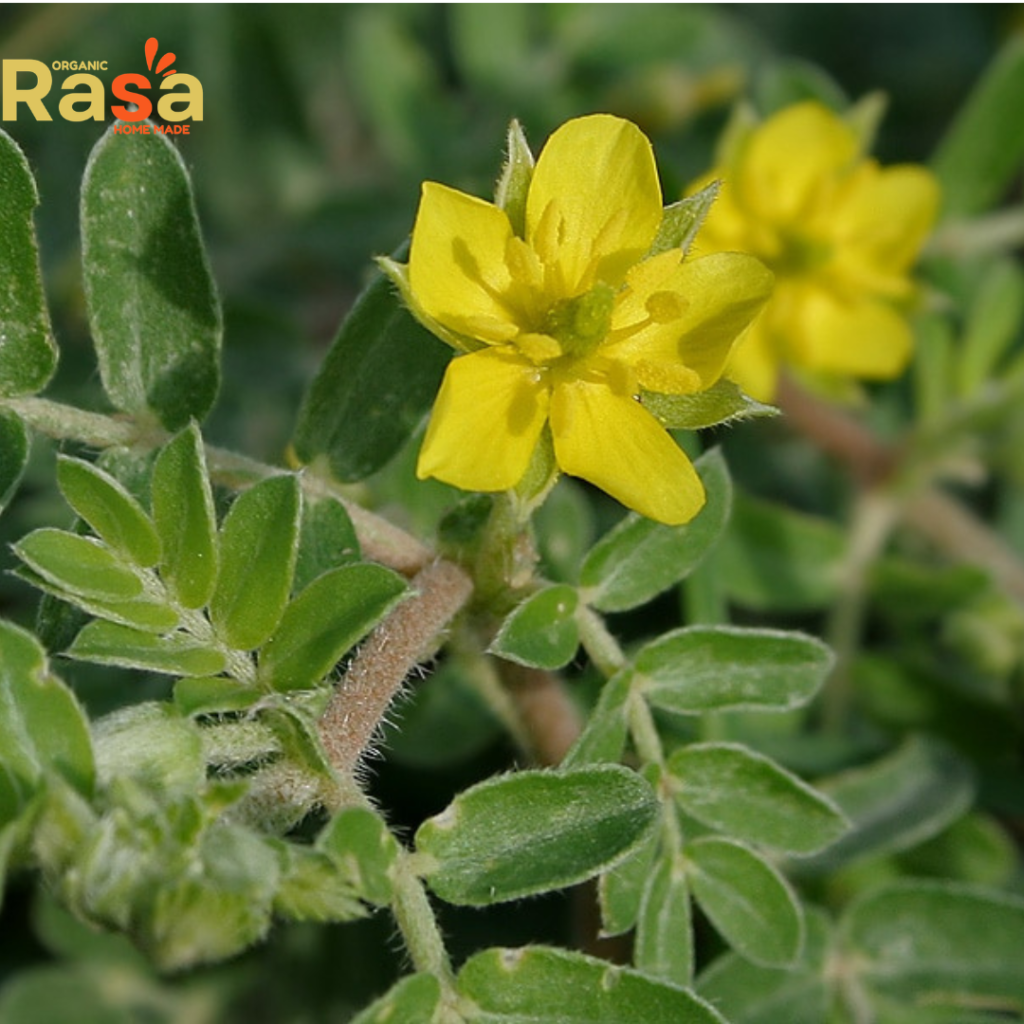
Its characteristic features include rounded or kidney-shaped leaves, branching stems, and small flowers that may appear pale pink, whitish, or lavender-toned. The plant can produce small, disc-shaped fruits containing seeds.
The regional names Khubazi and Khabazi are used for mallow plants in some South Asian and Middle Eastern contexts. However, local naming can vary, and the same common name may refer to more than one species.
Botanical identification matters: If the product is sold specifically as Malva neglecta, its identity should be supported by supplier documentation or appropriate botanical verification. Other species, including Malva parviflora and Malva sylvestris, should not automatically be treated as interchangeable.
🌱 Botanical Profile
| Botanical Feature | Description |
|---|
| Product name | Common Mallow (Khubazi / Khabazi) |
| Botanical name | Malva neglecta |
| Plant family | Malvaceae |
| Plant type | Annual or short-lived perennial herb |
| Common names | Common Mallow, Khubazi, Khabazi |
| Leaves | Rounded to kidney-shaped, often with shallow lobes |
| Flowers | Small, typically pale pink, whitish, or lavender-toned |
| Plant texture | Soft foliage with naturally occurring mucilage |
| Growing environments | Gardens, fields, and temperate disturbed habitats |
| Traditional association | Regional culinary and botanical traditions |
| Product part | Must be confirmed from the actual product supplied |
| Product form | Fresh, dried, whole, crushed, or powdered, as applicable |
| Organic status | Verify through applicable certification or supplier documentation |
🍃 Natural Characteristics and Product Quality
Common Mallow is valued botanically for its distinctive appearance and plant composition. The physical characteristics of the supplied product depend on which plant parts are included and whether they are fresh or dried.
| Characteristic | Description |
|---|
| Leaf appearance | Rounded or kidney-shaped, sometimes with shallow lobes |
| Flower appearance | Small flowers with pale pink, whitish, or lavender tones |
| Natural texture | Soft plant tissues; mucilage may develop in water |
| Dried material | Usually more brittle and less vibrant than fresh material |
| Aroma | May be mild and plant-like |
| Colour variation | Can vary according to plant part, maturity, and drying |
| Natural variation | Differences between individual plants and batches are expected |
| Quality considerations | Correct identity, cleanliness, suitable drying, and appropriate storage |
Natural variation is normal, but mould, contamination, unusual odours, and signs of dampness should not be accepted as normal product characteristics.
🌾 Traditional Botanical Background
Mallow plants have a history of use in traditional food cultures and herbal practices. Depending on the species and regional custom, certain mallow leaves have been used as cooked greens, while other plant parts have been included in traditional preparations.
Common Mallow is especially recognised for its mucilage, which can contribute to a soft or slightly thick texture when plant material is combined with water.
Traditional use is not the same as established clinical evidence. Historical descriptions should not be interpreted as proof that Common Mallow prevents, treats, or cures a disease.
Rasa.pk presents Khubazi as a botanical product, with its traditional context described separately from claims about medical effects.
✨ Understanding the Plant’s Natural Composition
Common Mallow contains naturally occurring plant constituents. Their amounts may vary according to the species, plant part, growing conditions, maturity, and processing method.
| Plant Component | Botanical Context |
|---|
| Mucilage | Water-associated plant polysaccharides that can contribute to a slippery or thick texture |
| Dietary fibre | Plant structural material; the amount depends on the plant part and preparation |
| Polyphenols | A broad group of naturally occurring plant compounds |
| Flavonoids | A subgroup of plant polyphenols reported in botanical research |
| Plant pigments | Natural compounds contributing to leaf and flower colour |
| Other phytochemicals | Composition varies with plant identity and growing conditions |
The presence of a plant compound does not establish a particular health outcome. Product-specific concentrations require appropriate laboratory analysis.
🧪 Ingredients and Composition
| Ingredient or Attribute | Details |
|---|
| Primary ingredient | Common Mallow (Malva neglecta), if verified |
| Additional herbs | None intentionally added, unless declared |
| Added sugar | None intentionally added, unless declared |
| Artificial colours | None intentionally added, unless declared |
| Artificial flavours | None intentionally added, unless declared |
| Preservatives | None intentionally added, unless declared |
| Processing aids | Verify with the supplier where applicable |
| Plant parts included | Confirm against the actual product |
| Organic certification | Must be supported by applicable documentation |
| Botanical identity | Supplier documentation or suitable verification recommended |
Ingredient transparency: The final product label should match the material actually supplied. Do not describe a product as certified organic unless the relevant claim can be substantiated.
📊 Nutritional Profile
A reliable numerical nutrition analysis for this specific Rasa.pk product has not been provided. The following table distinguishes general botanical composition from laboratory-confirmed nutritional values.
| Nutritional Parameter | Product-Specific Information |
|---|
| Energy | Not established |
| Protein | Not established |
| Total carbohydrates | Not established |
| Dietary fibre | Not established |
| Total sugars | Not established |
| Total fat | Not established |
| Calcium | Not established |
| Iron | Not established |
| Potassium | Not established |
| Vitamin content | Not established |
| Mucilage content | Not quantified |
| Polyphenol content | Not quantified |
| Moisture content | Depends on fresh or dried form |
Nutritional values can differ substantially between fresh leaves, dried leaves, powders, and prepared liquids. If the product is intended for use as a food, a suitable laboratory analysis should be obtained before publishing numerical nutrition claims.
🍃 Product Uses and Preparation Context
The appropriate use of Common Mallow depends on the confirmed species, the plant parts supplied, their quality, and whether the material is intended for food or another botanical purpose.
Please do not consume or prepare the product directly until its identity, food-grade suitability, and appropriate preparation have been confirmed. Consult a qualified herbalist or healthcare professional before use.
🍲 1. Traditional Cooked Greens
In some culinary traditions, edible mallow leaves are cooked as greens. This preparation is appropriate only when the species has been correctly identified and the supplied material is confirmed to be food-grade.
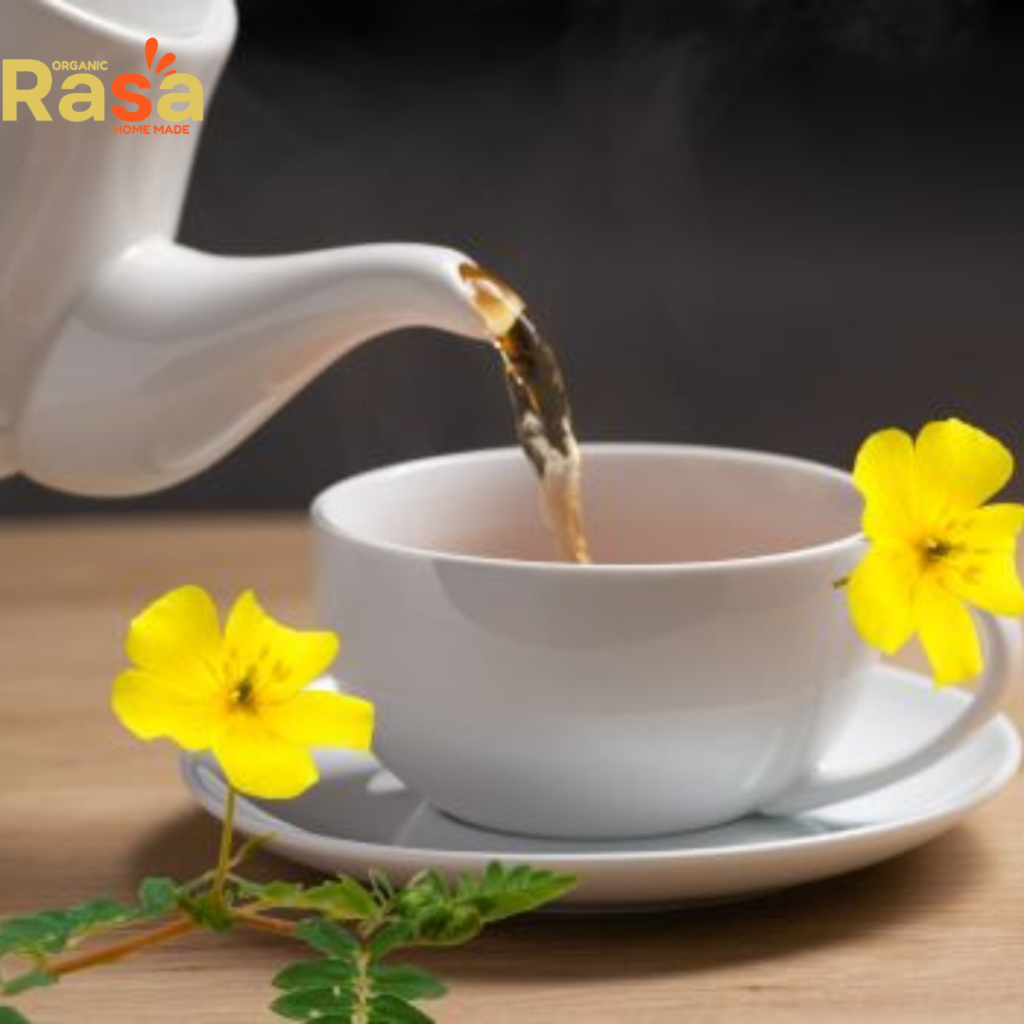
🍵 2. Botanical Infusion
Some mallow species have been used in traditional water-based preparations. The appropriate plant part and preparation method must be verified before use. Do not assume that every product labelled Khubazi is suitable for making tea.
🥣 3. Traditional Soup Preparations
Certain edible mallow leaves are used in regional soups and cooked dishes. Use only correctly identified, food-grade material and follow reliable culinary preparation instructions.
🌿 4. Botanical Blends
Common Mallow may appear in traditional plant combinations. Combining herbs can alter the safety profile, so any intended blend should be reviewed by a qualified professional.
⚠️ Important Recipe Note
The above examples describe historical or culinary contexts; they are not dosage instructions or recommendations for consuming this particular product. Rasa.pk should publish specific recipes only after confirming the species, plant part, food-grade status, and suitable preparation method.
🌿 Product Characteristics at a Glance
| Feature | Description |
|---|
| Botanical identity | Malva neglecta, subject to verification |
| Common name | Common Mallow / Khubazi |
| Product category | Natural herbs and botanicals |
| Plant family | Malvaceae |
| Distinctive feature | Naturally occurring mucilage |
| Traditional context | Regional culinary and botanical traditions |
| Product form | Confirm against the listing |
| Ingredient statement | Common Mallow only, unless otherwise declared |
| Nutrition data | Laboratory analysis required for numerical values |
| Quality verification | Botanical identification and supplier documentation |
👥 Suitability and Responsible Use
| Group | Precaution |
|---|
| Adults | Confirm product identity and intended use before consumption |
| Children | Seek appropriate professional advice before use |
| Pregnant individuals | Avoid herbal use unless approved by a qualified healthcare professional |
| Breastfeeding individuals | Seek professional advice because product-specific safety is not established |
| People taking medicines | Ask a healthcare professional about possible interactions |
| People with plant allergies | Review the ingredient identity and seek advice if uncertain |
| People with existing medical conditions | Obtain individual guidance before use |
⚠️ Important Cautions and Advisory
Please do not use or consume Common Mallow directly without first consulting a qualified herbalist or appropriately licensed healthcare professional.
- Confirm that the supplied plant is genuinely Malva neglecta.
- Verify that the product is suitable for its intended use and, if applicable, is food-grade.
- Do not assume that a plant is safe simply because it is natural or traditionally used.
- Do not use the product for a specific health condition without appropriate professional guidance.
- Consult a healthcare professional if you take prescription medicines or other botanical products.
- Avoid use during pregnancy or breastfeeding unless specifically approved by a qualified healthcare professional.
- Do not administer to children without appropriate professional guidance.
- Do not use material that is mouldy, damp, contaminated, or unusually odorous.
- Stop use and seek advice if an unexpected reaction occurs.
- Never replace prescribed treatment or delay necessary medical care in favour of an herbal preparation.
These precautions are particularly important when the botanical identity, preparation, and intended route of use have not been independently verified.
📦 Storage Instructions
For Fresh Common Mallow
- Keep refrigerated when appropriate for the supplied product.
- Handle with clean hands and utensils.
- Follow the supplier’s use-by instructions.
- Discard material showing mould, slime, unusual odour, or spoilage.
For Dried Common Mallow
- Store in a clean, dry, airtight container.
- Keep away from direct sunlight, heat, and humidity.
- Avoid contact with moisture and wet utensils.
- Protect from dust, insects, and contamination.
- Keep out of reach of children and pets.
- Discard if mould, dampness, or an unusual smell develops.
Always follow any specific storage instructions printed on the product packaging.
🔎 Quality, Sourcing and Organic Integrity
At Rasa.pk, responsible botanical presentation begins with accurate identification and transparent sourcing.
Useful quality checks for Common Mallow include:
- Verification of the scientific name.
- Confirmation of the plant parts supplied.
- Appropriate harvesting, handling, and drying practices.
- Protection against moisture and contamination.
- Reliable supplier and origin documentation.
- Supporting evidence for organic cultivation claims.
- Appropriate testing where required for quality and safety.
Visual appearance alone cannot establish botanical identity, organic certification, purity, or freedom from pesticide and microbial contamination.
💚 Why Choose Rasa.pk Common Mallow?
🌿 Botanical Focus: Product information centred on the plant’s identity and natural characteristics.
🍃 Traditional Heritage: Context about the plant’s place in regional culinary and botanical traditions.
📦 Ingredient Transparency: Clear information to help customers understand what they are purchasing.
🌱 Responsible Presentation: Cautions and guidance that support informed decisions.
✨ Quality Awareness: Emphasis on suitable handling, storage, and verification.
🌿 The Rasa.pk Promise
Pure. Natural. Authentic.
Rasa.pk brings together natural products and thoughtful product information for customers who value traditional plant ingredients, botanical diversity, and responsible choices.
Explore Common Mallow (Khubazi / Khabazi), identified as Malva neglecta, and discover its distinctive botanical character through a product listing designed around clarity, transparency, and informed use.










Reviews
Clear filtersThere are no reviews yet.