Traditional Botanical Heritage • Carefully Selected Roots • Rasa.pk
🌱 Discover the Natural Character of Shatavari
Explore the distinctive botanical heritage of Shatavari (Satawar) with Rasa.pk, a traditional plant ingredient recognised in South Asian and Ayurvedic botanical traditions.
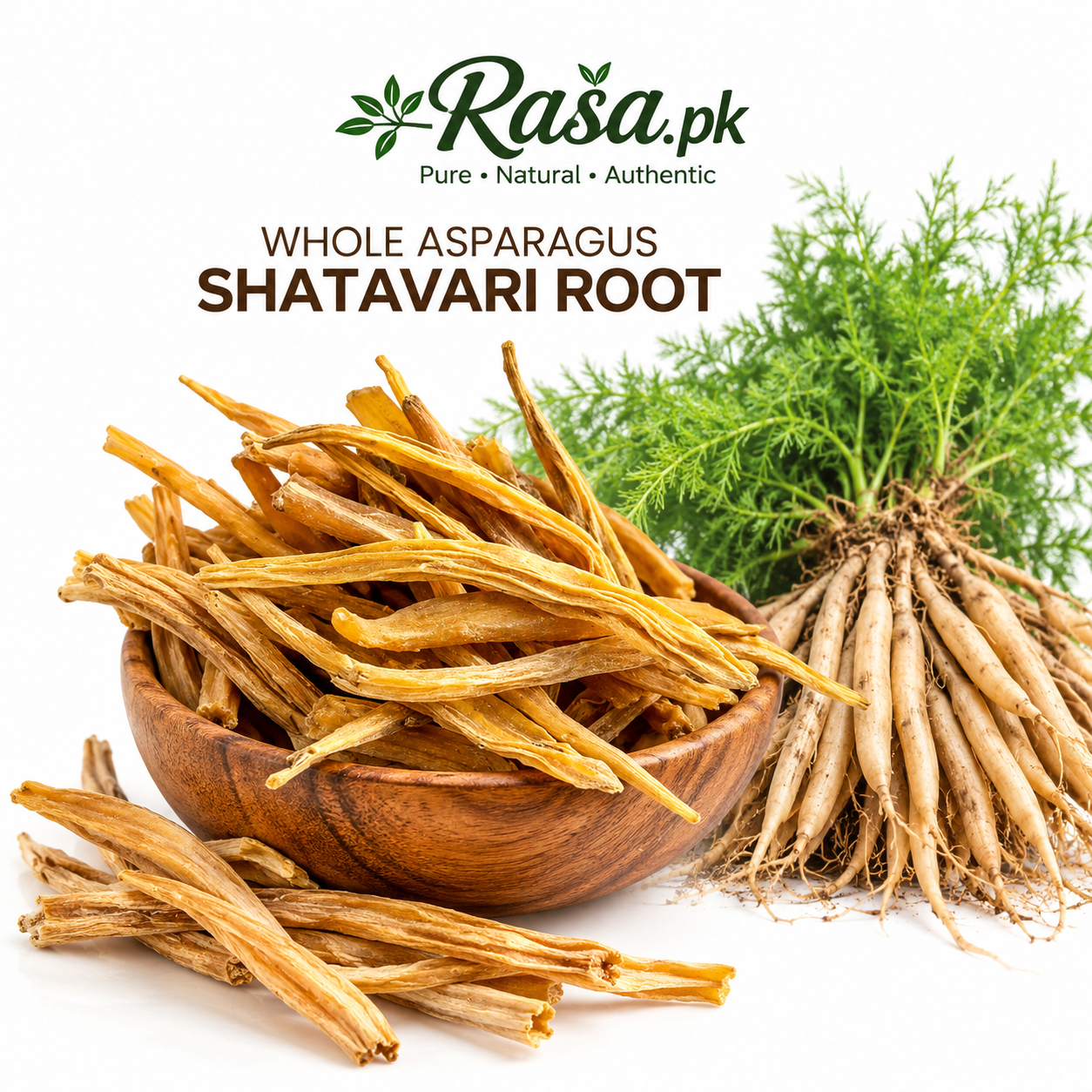
Botanically identified as Asparagus racemosus, Shatavari is a perennial climbing plant belonging to the asparagus family, Asparagaceae. Its underground root system consists of elongated, fleshy roots that are traditionally collected, dried, and prepared as a botanical ingredient.
Rasa.pk presents Shatavari roots for customers who appreciate authentic plant materials, traditional botanical ingredients, and carefully described natural products.
Our product description focuses on botanical identity, ingredient transparency, handling, storage, and responsible use. Each root’s natural appearance can vary according to growing conditions, harvesting, drying, and processing.
Rasa.pk — Pure. Natural. Authentic.
🌿 What Is Shatavari (Satawar)?
Shatavari, also known as Satawar or Satavar, is the common name for Asparagus racemosus. The plant is native to parts of South Asia and is associated with traditional Ayurvedic herbal practices.
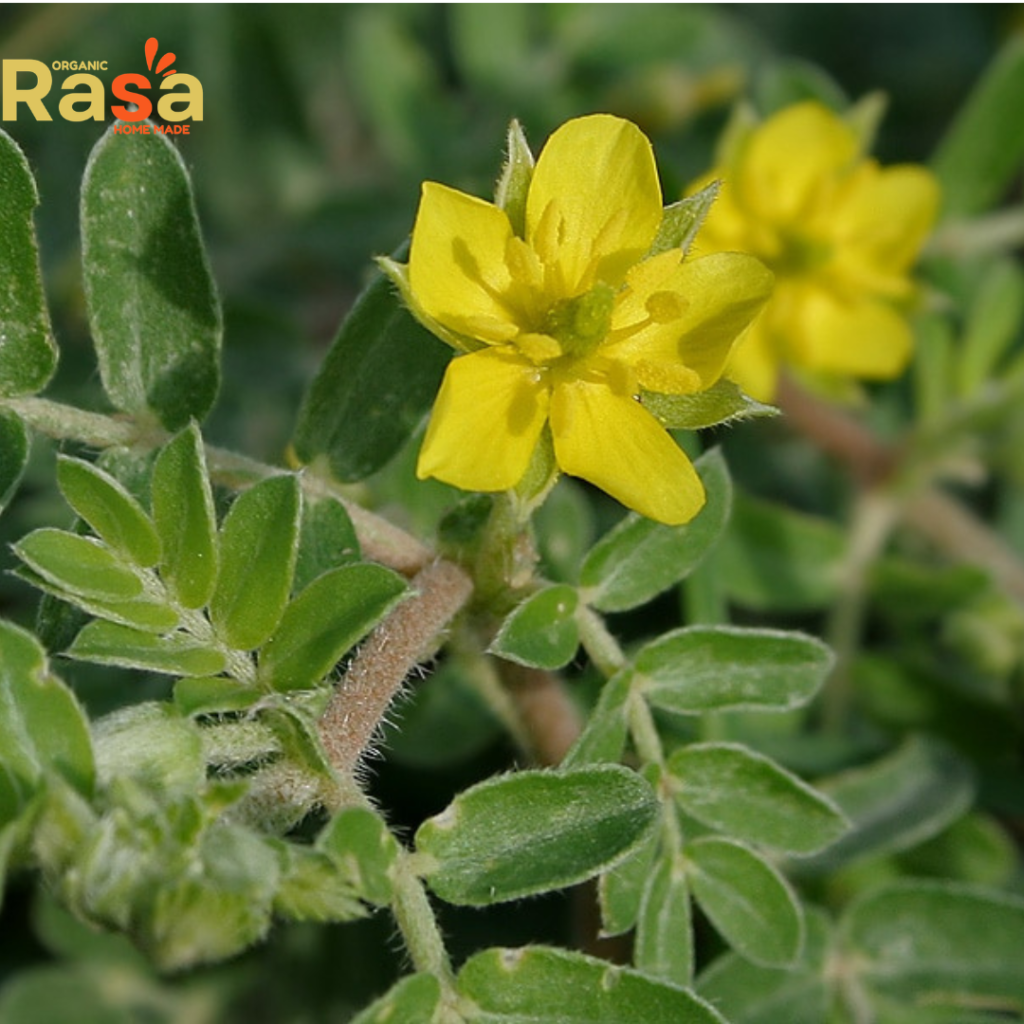
The plant has delicate, feathery foliage, climbing stems, small flowers, and an underground root system. The roots are the principal botanical part traditionally collected for herbal preparations.
The name Shatavari is widely recognised in traditional botanical literature. However, traditional descriptions and historical applications should not be confused with proof of a specific health outcome.
At Rasa.pk, Shatavari is presented as a natural botanical ingredient, not as a substitute for professional medical care.
🌱 Botanical Profile
| Botanical Feature | Description |
|---|
| Product name | Organic Shatavari Roots |
| Common names | Shatavari, Satawar, Satavar |
| Botanical name | Asparagus racemosus |
| Plant family | Asparagaceae |
| Plant type | Perennial climbing plant |
| Product part | Root |
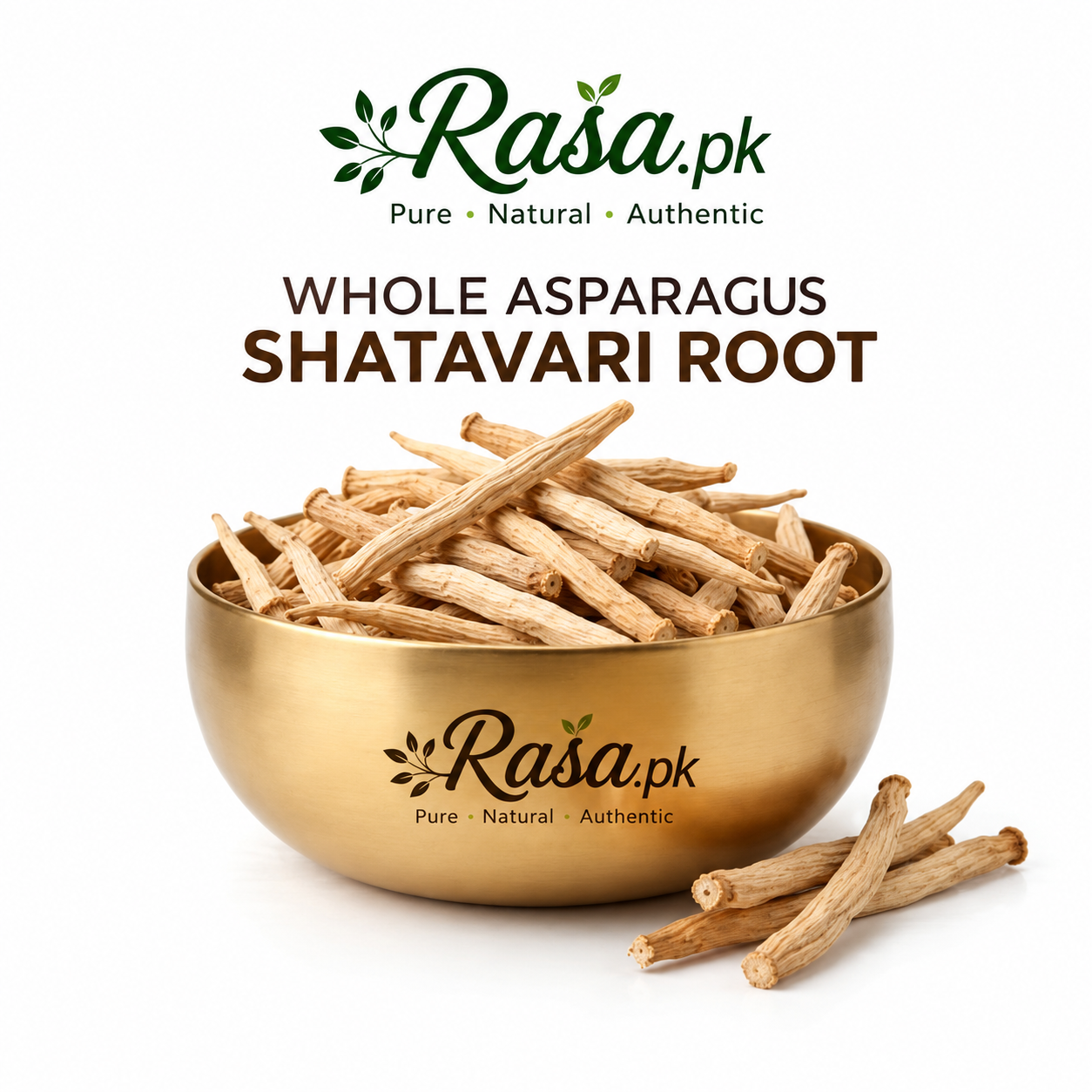
| Root appearance | Elongated, fleshy roots; dried roots may appear cream, beige, or light brown |
| Botanical origin | Native to parts of South Asia |
| Traditional association | Ayurvedic and South Asian botanical traditions |
| Product form | Whole dried roots, subject to availability |
| Processing | Harvesting and drying details should be confirmed with the supplier |
| Added ingredients | None intentionally added, unless declared on the packaging |
| Organic status | Refer to applicable certification or supplier documentation |
🍃 Product Characteristics
Shatavari roots have a distinctive natural appearance and fibrous structure. Properly dried roots generally have a firm, dry texture, although individual pieces may differ in thickness, length, colour, and shape.
| Characteristic | Description |
|---|
| Appearance | Naturally shaped root pieces |
| Colour | Cream, beige, or light brown, depending on processing |
| Texture | Fibrous and firm when dried |
| Aroma | Mild, earthy, root-like aroma may be present |
| Natural variation | Differences in size, shape, and colour may occur |
| Packaging purpose | Helps protect the product from moisture and contamination |
Natural variation is normal in botanical products. However, visible mould, unusual odours, dampness, or signs of contamination should never be considered normal.
🌾 Traditional Botanical Background
Shatavari has a long history of use in Ayurvedic and regional herbal traditions. Its roots have historically been included in traditional preparations, and the plant is described in botanical literature for its characteristic root structure and naturally occurring plant constituents.
Traditional references sometimes associate Shatavari with women’s health, nourishment, and general vitality. These historical associations do not establish that this particular product provides a clinically proven benefit or is suitable for every individual.
Rasa.pk therefore presents Shatavari through its botanical identity, traditional background, and ingredient characteristics without making disease-treatment promises.
✨ Understanding Shatavari’s Botanical Composition
The roots of Asparagus racemosus have been studied for several naturally occurring plant constituents. Their presence and concentration may vary according to the plant material, growing conditions, harvesting, processing, and storage.
| Compound Category | Botanical Context |
|---|
| Steroidal saponins | A class of naturally occurring plant compounds reported in Shatavari research |
| Shatavarins | A group of saponins associated with the botanical literature on Asparagus racemosus |
| Polysaccharides | Complex carbohydrates found in many plant materials |
| Phytosterols | Plant-derived compounds that may occur in botanical tissues |
| Other phytochemicals | Composition varies with the plant material and processing |
The presence of these compounds does not establish a particular clinical effect. Exact concentrations cannot be confirmed without appropriate laboratory analysis of the supplied batch.
🧪 Ingredients and Composition
| Ingredient or Attribute | Details |
|---|
| Primary ingredient | Shatavari root (Asparagus racemosus) |
| Additional herbs | None intentionally added, unless declared |
| Added sugar | None intentionally added, unless declared |
| Artificial colours | None intentionally added, unless declared |
| Artificial flavours | None intentionally added, unless declared |
| Preservatives | None intentionally added, unless declared |
| Processing aids | Confirm through supplier documentation where applicable |
| Organic certification | Verify through the relevant certification or supplier records |
Ingredient transparency: The final product label should accurately reflect the supplied material. The term “organic” should be used as a verified production or certification claim only when supporting documentation is available.
📊 Nutritional Profile
Whole Shatavari roots are botanical raw materials rather than a standardised conventional food. Reliable numerical nutrition values for this specific Rasa.pk product have not been provided.
| Nutritional Parameter | Product-Specific Information |
|---|
| Energy | Not established |
| Protein | Not established |
| Total carbohydrates | Not established |
| Dietary fibre | Not established |
| Total sugars | Not established |
| Total fat | Not established |
| Calcium | Not established |
| Iron | Not established |
| Potassium | Not established |
| Vitamin content | Not established |
| Saponin content | Requires appropriate laboratory analysis |
| Moisture content | Depends on drying and storage conditions |
A laboratory analysis would be required to publish accurate numerical values. Nutrient concentrations in the raw root also cannot be assumed to represent those in a prepared infusion, decoction, or powder.
🌿 Traditional Preparation and Usage Context
Shatavari roots have traditionally been used in different botanical preparations. The method, ingredients, and quantities vary between traditions and individual preparations.
Because the safety and suitability of this particular batch have not been established, Rasa.pk does not recommend a universal dosage or an unsupervised medicinal preparation.
Before preparing or consuming the roots:
- Confirm the botanical identity and product condition.
- Consult a qualified herbalist or appropriately licensed healthcare professional.
- Ask the professional to determine whether the product is suitable for your circumstances.
- Follow their guidance on preparation, quantity, frequency, and duration.
- Do not combine it with other herbs or concentrated extracts without professional advice.
🍵 Preparation Ideas for Professionally Guided Use
The following are general preparation contexts, not a recommendation to consume the product without supervision.
1. Traditional Root Infusion
Whole roots may be used in traditional botanical preparations. Whether an infusion is suitable depends on the verified material and the professional’s instructions.
2. Traditional Decoction
Some traditional practices use controlled simmering to prepare root-based botanical liquids. The appropriate method and quantity should be determined by a qualified practitioner.
3. Traditional Botanical Blends
Shatavari is sometimes discussed alongside other botanical ingredients in traditional systems. Combining herbs can change the safety profile, so a blend should be reviewed by a qualified professional before use.
4. Culinary Use
Shatavari root should not automatically be treated as an ordinary culinary ingredient. Do not add it to milk, tea, smoothies, desserts, or everyday recipes for consumption without confirming its suitability and preparation requirements with a qualified professional.
🌿 Product Features at a Glance
| Feature | Description |
|---|
| Botanical identity | Asparagus racemosus |
| Common name | Shatavari / Satawar |
| Product part | Root |
| Product category | Natural botanical ingredient |
| Traditional association | Ayurvedic botanical heritage |
| Root form | Whole dried root, subject to availability |
| Added ingredients | None intentionally added, unless declared |
| Quality checks | Supplier documentation and appropriate testing |
| Suitable preparation | To be determined with professional guidance |
⚠️ Important Cautions and Advisory
Please do not consume or prepare Shatavari directly without first consulting a qualified herbalist or appropriately licensed healthcare professional.
- Pregnancy and breastfeeding: Do not use unless specifically approved by a qualified healthcare professional.
- Children and adolescents: Do not administer without appropriate professional direction.
- Prescription medicines: Ask a healthcare professional to assess possible interactions before use.
- Existing medical conditions: Seek individual advice before using botanical products.
- Allergies: Avoid use if you have a known allergy to Shatavari or a related ingredient.
- Hormone-sensitive conditions: Obtain professional advice before use because safety and suitability may depend on the condition and preparation.
- Dosage: No universal safe dosage is established for this particular product.
- Medical treatment: Do not replace prescribed medication or delay medical assessment in favour of a botanical preparation.
- Product quality: Do not use material showing mould, dampness, unusual odour, or possible contamination.
- Adverse reactions: Stop use and seek appropriate medical advice if an unexpected reaction occurs.
Natural origin does not guarantee safety, and traditional use does not eliminate the possibility of adverse effects.
📦 Storage Instructions
To help maintain the quality of dried Shatavari roots:
- Store in a clean, dry, airtight container.
- Keep away from direct sunlight, excessive heat, and humidity.
- Avoid contact with water, steam, and wet utensils.
- Keep the packaging properly sealed between uses.
- Protect the product from insects, dust, and other contaminants.
- Keep out of reach of children and pets.
- Discard the product if mould, dampness, an unusual smell, or signs of contamination develop.
Always follow any additional storage instructions provided on the product packaging.
🔎 Quality and Sourcing Considerations
At Rasa.pk, product transparency is an important part of presenting natural botanical ingredients responsibly.
For Shatavari roots, the most useful quality checks include:
- Confirmation of the botanical identity.
- Verification of the root material and supplied form.
- Appropriate handling and drying practices.
- Protection against moisture and contamination.
- Reliable supplier and origin documentation.
- Supporting evidence for any organic or purity claim.
- Appropriate testing where required for quality and safety.
Visual appearance alone cannot establish botanical identity, purity, pesticide status, or microbiological safety.
💚 Why Explore Shatavari Roots at Rasa.pk?
🌿 Botanical Identity: Clearly identified by its commonly used name and botanical name.
🍃 Traditional Heritage: Presented with context about its place in traditional botanical practices.
📦 Product Transparency: Ingredient and handling information to support informed purchasing decisions.
🌱 Natural Plant Material: A botanical root product for customers interested in traditional plant ingredients.
✨ Responsible Guidance: Clear cautions and recommendations for professional consultation before use.












Nasir Mehmood –
MashaAllah
bohat Fresh
Noor –
The best purchased ever
thanks Rasa.pk